

How To Handle A Picky Eater

If your child refuses to eat certain foods or only wants the same meal every day, you’re not alone. Many kids go through picky eating phases, and it can be frustrating for parents. The good news is that with a little patience and the right approach, mealtime can become easier and more fun.
In this guide, you’ll find simple and practical tips for handling picky eaters. Learn how to make food fun, reduce mealtime stress, and help your child try new foods in a positive way.
1. Keep Mealtimes Relaxed and Positive
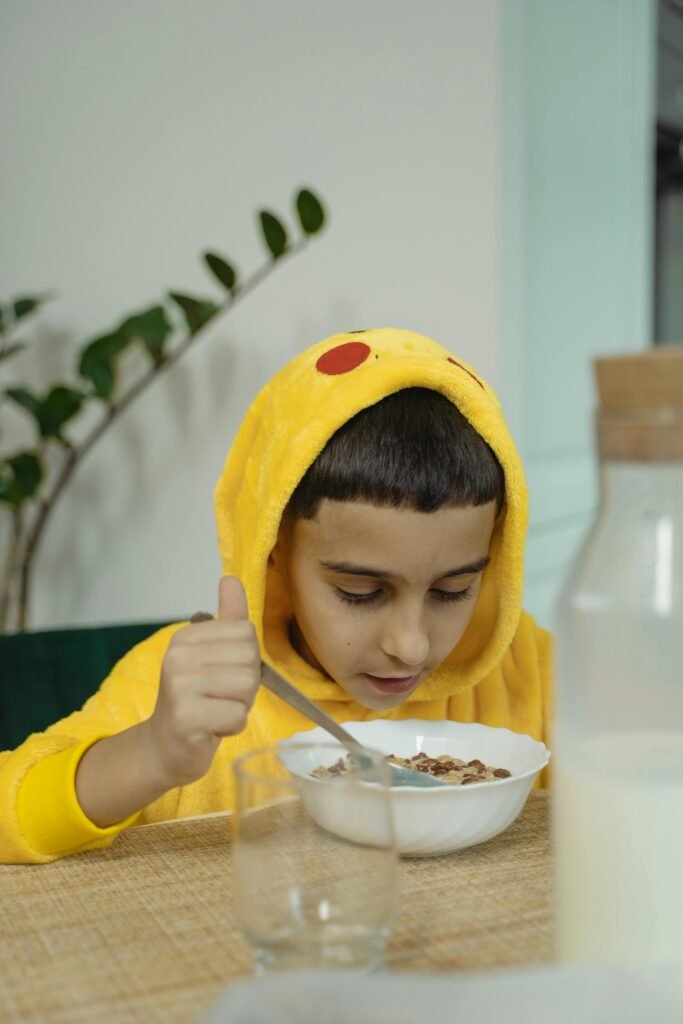
Stress at the dinner table helps no one. If meals become a battle, kids will pick up on the tension instantly and dig their heels in deeper. Keep things light, no pressure. Talk about your day, play soft music, and stay calm even if they push the plate away.
A chill vibe makes it easier for them to feel safe trying something new. The more relaxed mealtimes are, the more likely they’ll associate food with positive feelings not stress or control.
2. Offer a Variety Without Pressure
Continue serving a few different types of foods at each meal, even if you’re convinced they won’t touch them. Offer, don’t push. Let the new or less-loved items sit on their plate with zero pressure to eat them.
Sometimes just seeing a food regularly builds enough comfort for them to eventually try it. You don’t have to be a short-order cook just give them a little range to explore. Kids are more likely to branch out naturally when they feel they have choices.
3. Be a Role Model and Eat the Same Foods
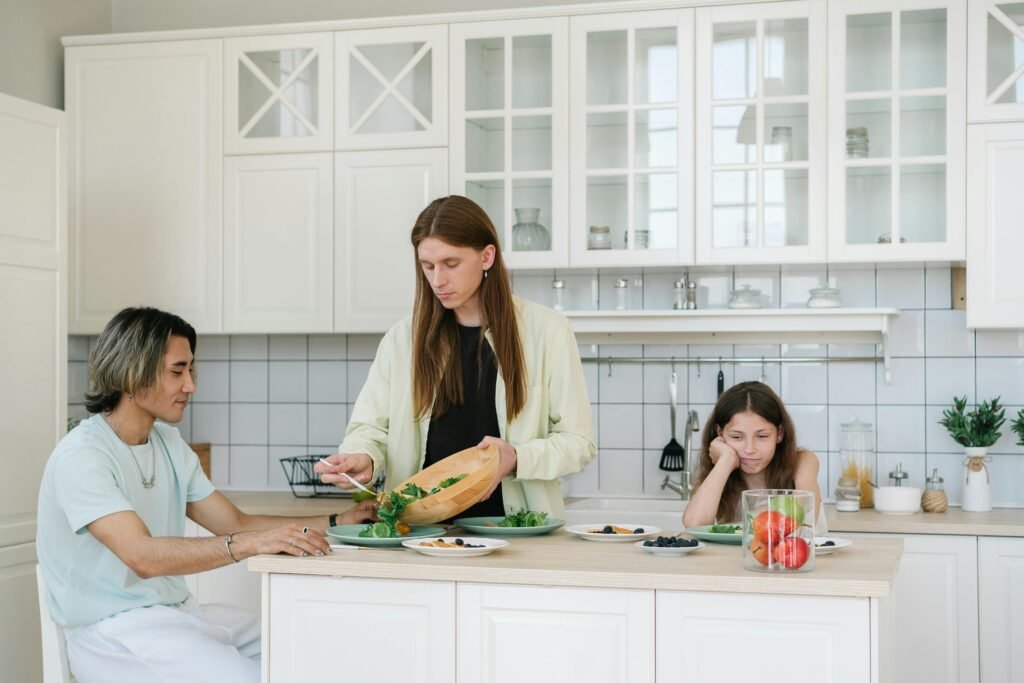
Kids are watching. If you never eat the veggies you’re serving them, they’ll notice. Sit down and eat the same foods you want them to try. Talk about the flavors, the crunch, or how much you like it. No over-the-top speeches, just casual modeling.
When they see you enjoying the same foods that are on their plate, curiosity builds and before you know it, they might ask for a bite without you even asking. Your plate can quietly do a lot of the talking.
4. Avoid Using Food as a Reward or Punishment
Bribes and ultimatums like “no dessert unless you eat your peas” can backfire fast. When food becomes a reward or punishment, it puts too much emotion around eating and can lead to longer-term struggles. Treat dessert as just part of the meal sometimes they’ll eat it, sometimes they won’t.
And skip the “you didn’t eat, so no story time” stuff too. Keep eating about nourishment and enjoyment, not negotiation. You want them to eat because they’re hungry and ready, not because they’re being manipulated.
5. Stick to a Consistent Meal and Snack Schedule
Routine helps kids feel secure, and that includes meals. Offering food at roughly the same times each day can help avoid constant grazing and make them more ready to eat at actual mealtime. When meals and snacks are all over the place, it’s easy for them to lose track of hunger.
Having a rhythm gives their bodies a chance to reset between eating times, and the structure often helps encourage better eating without tricks or pressure. So keep the schedule steady when you can.
6. Involve Your Child in Meal Prep
When kids help prep the food, they’re more likely to eat it. It’s not magic, but it does build a bit of curiosity and ownership. Let them dump ingredients, stir a bowl, slice soft fruit with a kid-safe tool, or simply choose between two veggies.
Talk about the ingredients, let them taste-test along the way (if safe), and keep it fun. Being part of the process can turn “weird food” into “something I made.” That small shift in mindset really matters.

7. Serve Small Portions to Avoid Overwhelm
A giant plate full of food can feel like a mountain for a picky eater. Start small like, really small. One or two bites of something new goes a long way. If they like it, they can always have more. You’re not wasting food, and you’re not stressing them out before they even start.
It’s less about the amount and more about the exposure. Small portions keep things approachable and help reduce the urge to say “no” before the first bite even happens.
8. Pair New Foods with Familiar Favorites
New food feels less scary next to something they already like. Serve that new veggie alongside a trusted go-to, like pasta or toast. Even better, mix it slightly into a favorite dish like adding chopped spinach into mac and cheese.
You’re not hiding it, just pairing it smartly. Familiar flavors and textures give them the confidence to taste something different. Over time, those “new” foods start to feel normal, especially when they’re not the only thing on the plate.
9. Limit Distractions During Meals
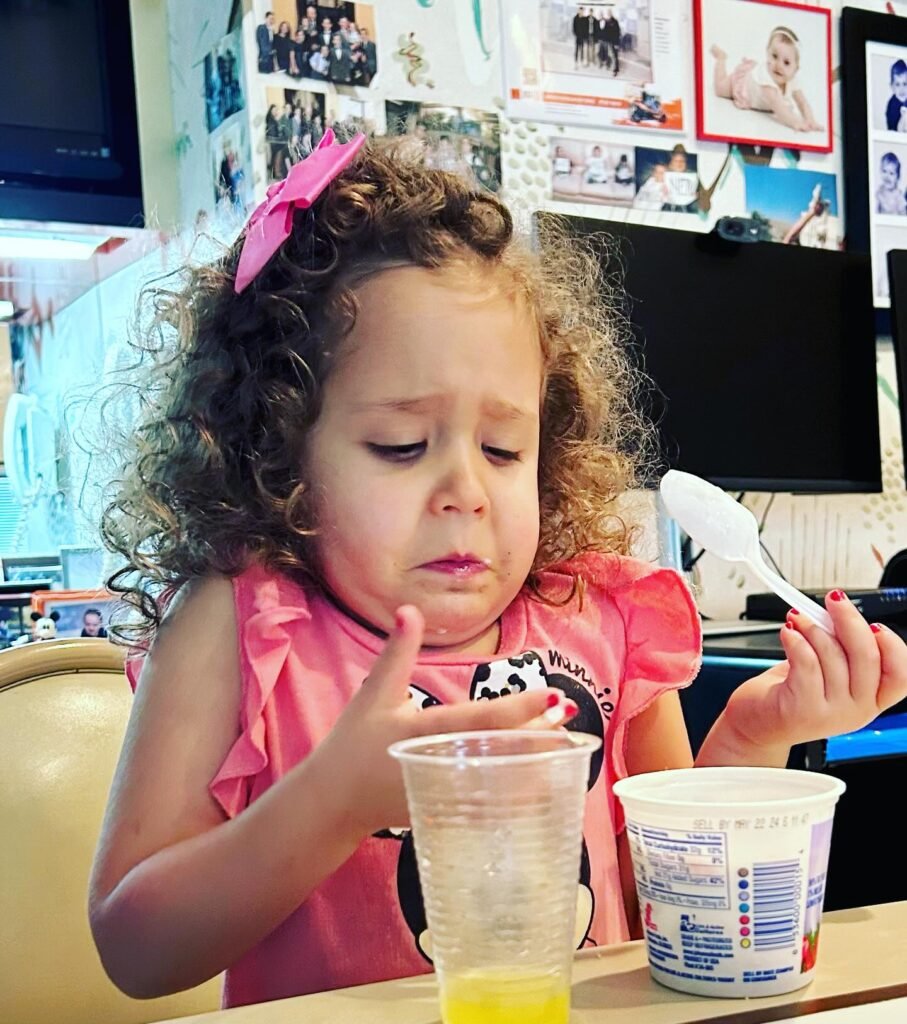
Eating with toys, tablets, or the TV on usually means they’re not focused on food and that can make picky habits worse. Try to keep the eating space screen-free and calm so they can actually pay attention to what they’re tasting. This also helps build better hunger cues and encourages self-regulation.
It doesn’t mean meals have to be totally silent or boring, just distraction-light. Simple conversation, music, or even a favorite placemat can create a kid-friendly atmosphere without too many outside pulls.
10. Keep Introducing Rejected Foods Later
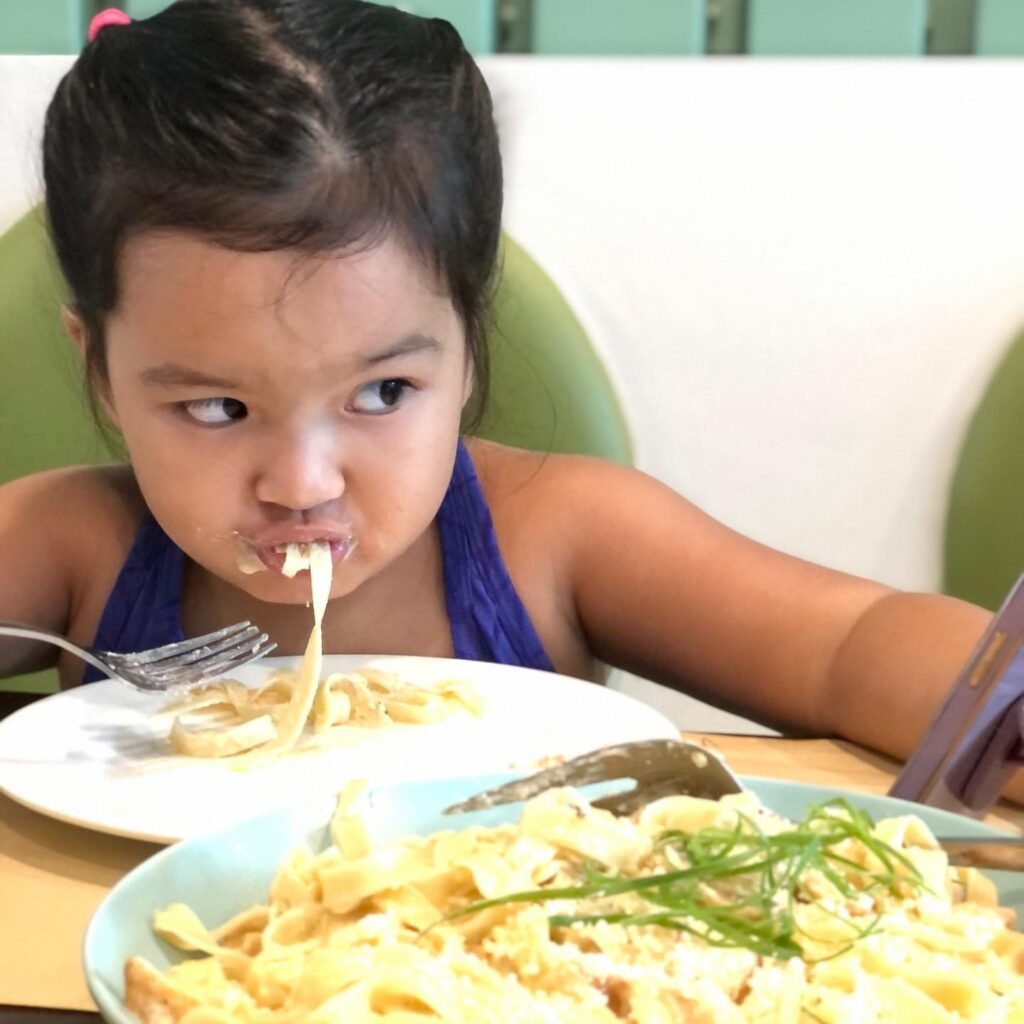
Just because they said “yuck” once doesn’t mean it’s over for that food forever. It can take 10, 15, even 20 tries before a new food is accepted. Keep offering without commentary, and let them surprise you.
Maybe next time they’ll touch it. Then lick it. Then boom, actually eat it. It’s a slow process, but completely normal. Repeated exposure without pressure is how most kids eventually accept new flavors and textures. Stay patient even micro progress counts.
11. Encourage Self-Feeding and Exploration
Let them get messy. Picking up food, squashing it, inspecting every bite it’s part of learning. Some days they’ll eat nothing and smear everything. Other days they’ll surprise you. Giving them control helps reduce resistance.
Offer bite-sized pieces of a few things and sit back, letting them lead. Don’t stress if it looks like playtime. Exploring food with their hands often leads to trying new bites at their own pace. The more control they feel they have, the more curious they often become.
12. Praise Trying, Not Just Finishing
Celebrate small wins like touching the food, taking a whiff, or one tiny nibble. Saying “you tried that awesome!” encourages curiosity instead of focusing on clean plates. When praise feels like encouragement rather than pressure, kids are more likely to keep exploring. Focus on the trying, not the result.
Let them decide when they’re full, and don’t always push for the “one more bite” rule. Build a positive connection with food through small victories, and the rest usually follows at their own pace.

13. Avoid Forcing or Bribing to Eat
Pushing your child to eat “just one more bite” might work short-term, but it rarely builds long-term success. Bribes, threats, or ultimatums can increase resistance and make mealtime miserable for everyone. Kids want control and meals are one of the few places they know they have some.
Trust that they’ll eat when they’re hungry and back off when they’re not. Your job is to offer healthy options. Their job is to decide what and how much to eat. Let that balance build over time.