15 Best First Finger Foods for Babies – Safe, Soft, and Easy to Eat

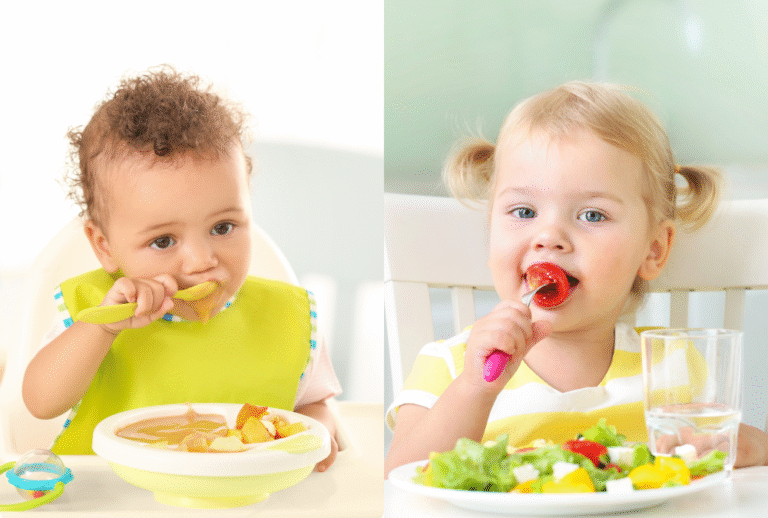
Starting finger foods is an exciting step for your baby! Around 6 months (or when your baby is ready), they can begin trying small, soft foods they can pick up and eat by themselves. Finger foods help babies learn to chew, explore textures, and become more independent at mealtime.
In this list of 15 best first finger foods for babies, you’ll find safe and simple options that are easy to hold and gentle on tiny tummies. From soft fruits to steamed veggies and baby-friendly snacks, these ideas make the start of self-feeding fun and healthy.
So roll up those sleeves, grab a bib , and get ready for the wonderful, messy journey of first foods.
Best First Finger Foods for Babies
1. Steamed Carrot Sticks
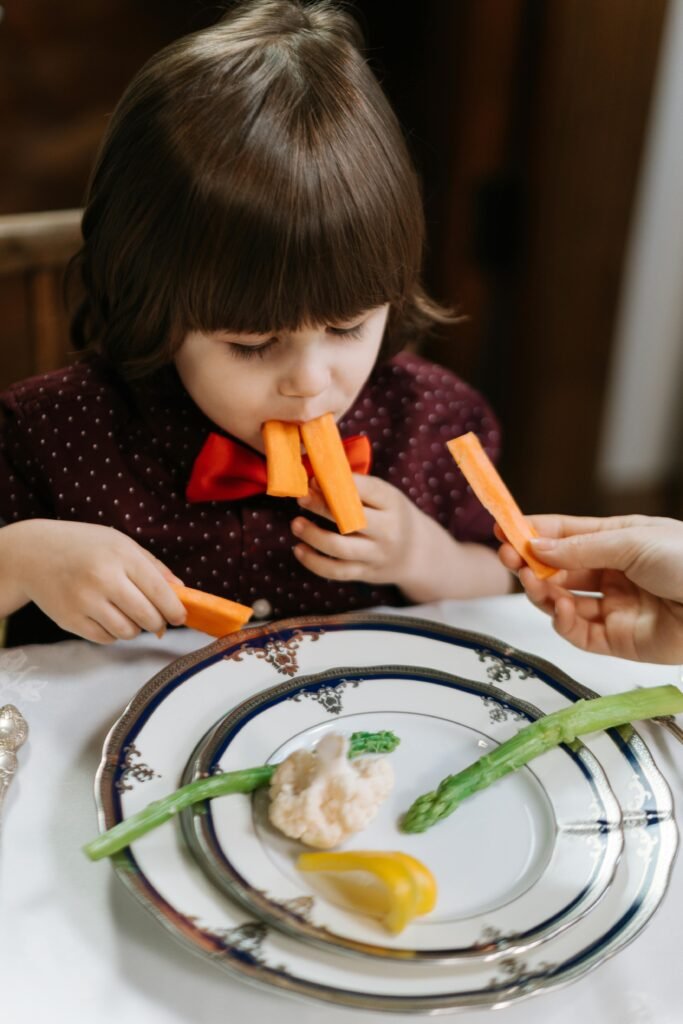
Steamed carrots are an easy win for beginner eaters. Slice them into thick sticks and steam until they’re super soft. The shape makes them easy for little hands to hold, and the natural sweetness usually hits the right note. Let babies explore by grabbing, squishing, and gnawing. They’re a solid option for baby-led weaning and can also be mashed for a smoother texture. Carrots are packed with vitamin A too, which is great for eye development. Simple, colorful, and easy to prep in batches what’s not to love?
2. Soft Avocado Slices
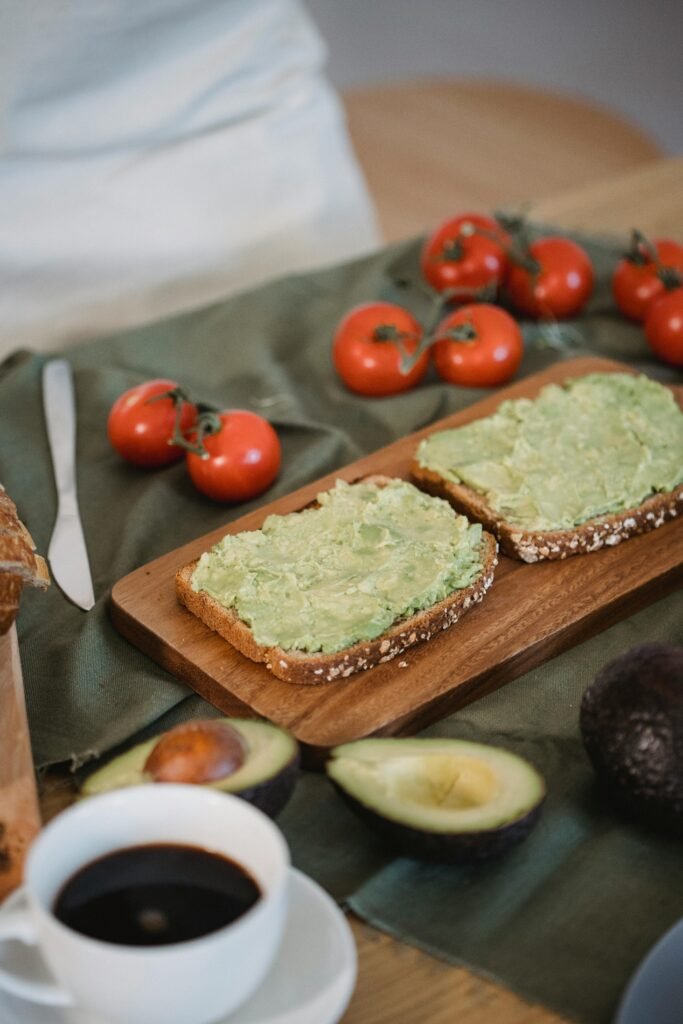
Avocados are one of the easiest first finger foods around. They don’t need to be cooked, and the creamy texture is perfect for babies just learning to self-feed. Slice them into wedges or long pieces so your baby can grip one end and explore the rest. If it’s too slippery, try rolling the pieces in crushed oats or baby cereal for extra grip. Packed with healthy fats and fiber, avocados are a great brain-booster and help keep things moving digestion-wise too. Bonus: most babies love the buttery taste.
3. Banana Chunks
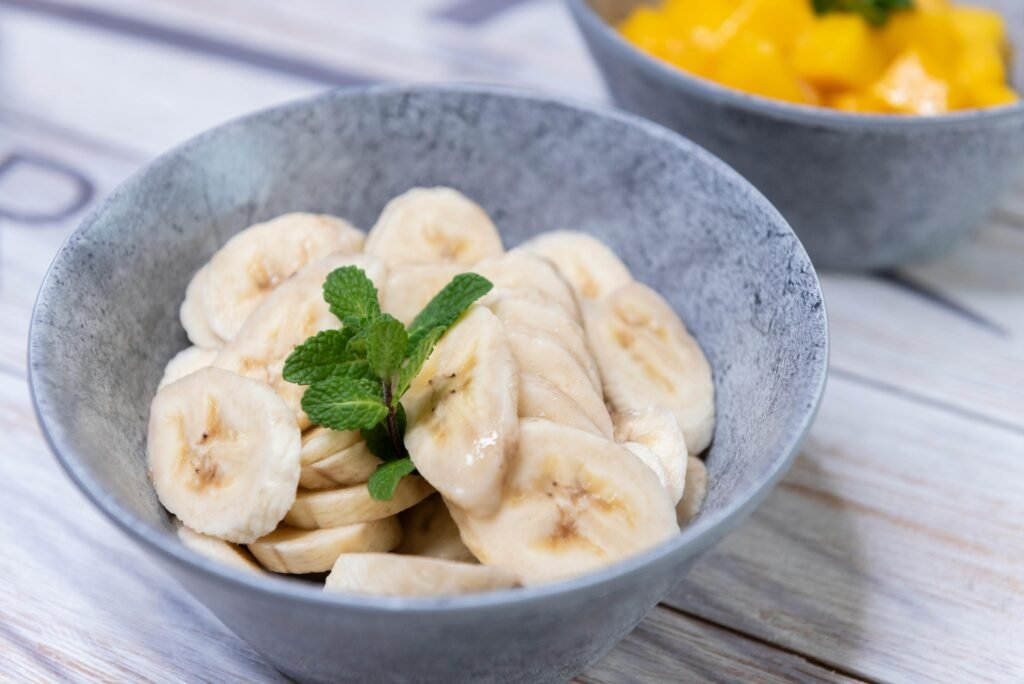
Bananas are the definition of low-effort, high-reward baby food. Just peel, slice into chunks or long strips, and you’re set. Soft and sweet, bananas are easy to chew (or gum), and babies love the taste right away. If it’s feeling too slippery, try mashing slightly or coating pieces in ground cereal. They’re rich in potassium and make a great on-the-go snack when you’re in a pinch. Whether served solo or with yogurt, banana chunks are a super baby-friendly first finger food to keep in rotation.
4. Scrambled Eggs
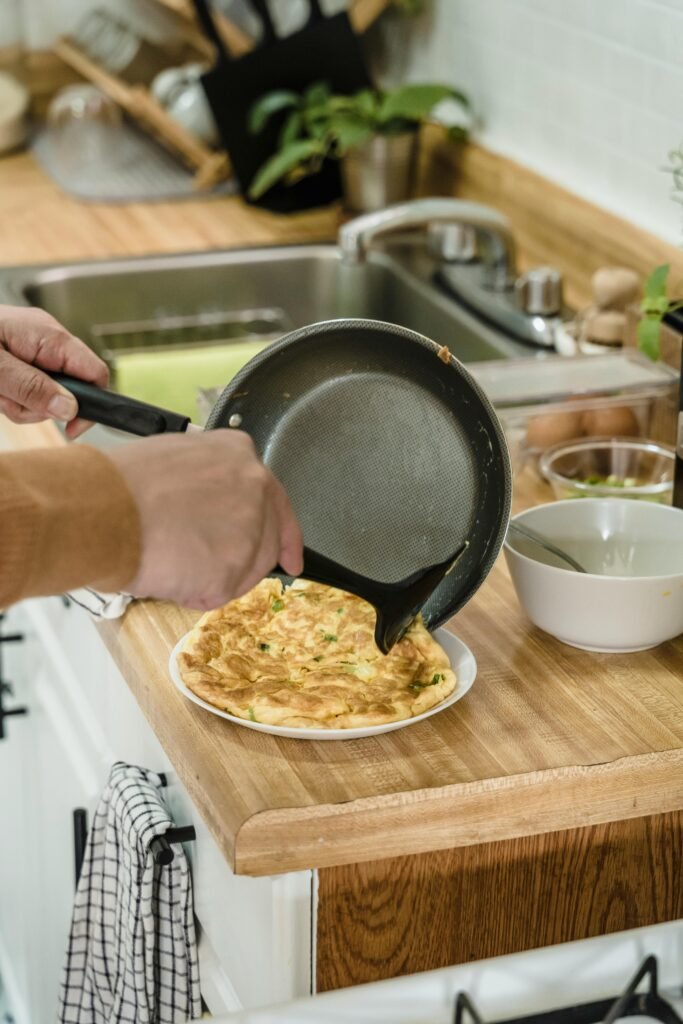
Fluffy scrambled eggs are a protein-packed food that’s soft, easy to chew, and super quick to make. They’re great for early finger food eaters just start with small, well-cooked curds they can pick up on their own. Eggs are full of choline, which is important for brain development. Introduce them slowly and keep an eye out for any possible allergy signs, especially if it’s baby’s first time. Once you get the green light, scrambled eggs make a go-to breakfast or even dinner when you need something fast and baby-approved.
5. Cooked Sweet Potato Cubes
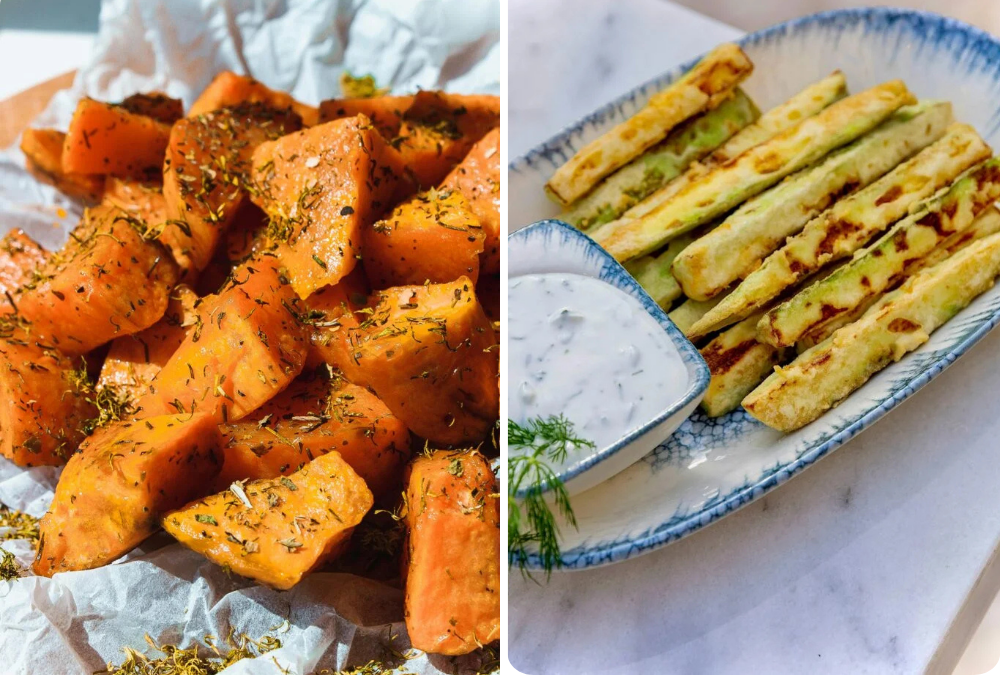
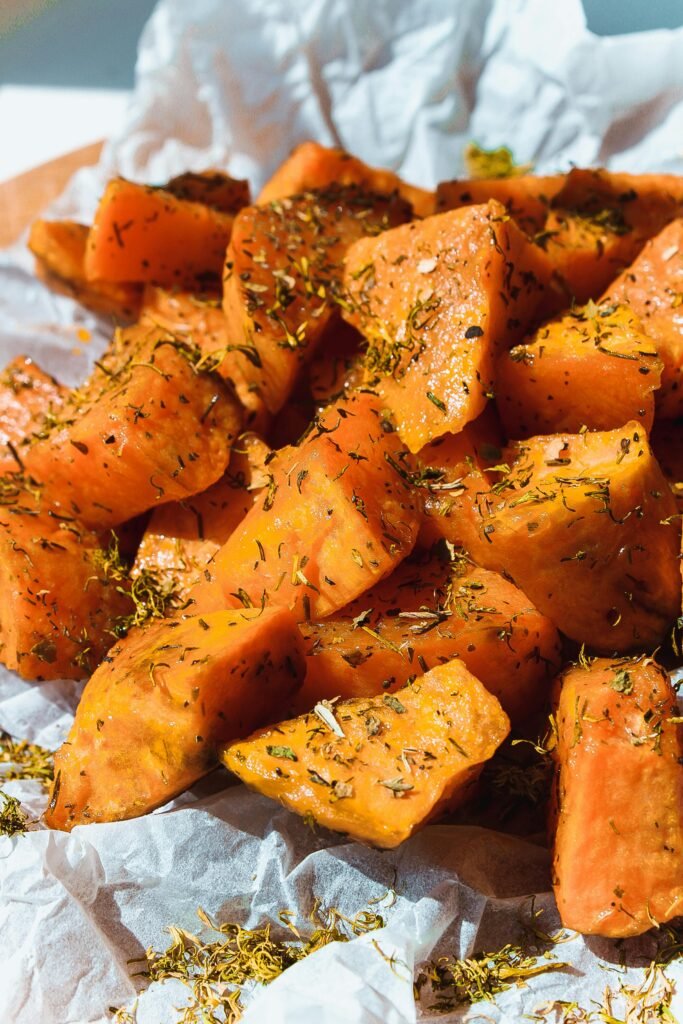
Sweet potatoes are colorful, nutritious, and soft enough for little gums. Cube them and steam or roast until tender, then let your baby pick them up and explore. They’re rich in vitamin A and fiber, and the natural sweetness is usually a hit even with the pickiest eaters. You can keep them plain or add a sprinkle of cinnamon for extra flavor. Prep a batch ahead and store some in the fridge for easy meals all week. They check all the boxes easy to eat, easy to handle, and full of nutrients.
6. Soft-Cooked Broccoli Florets
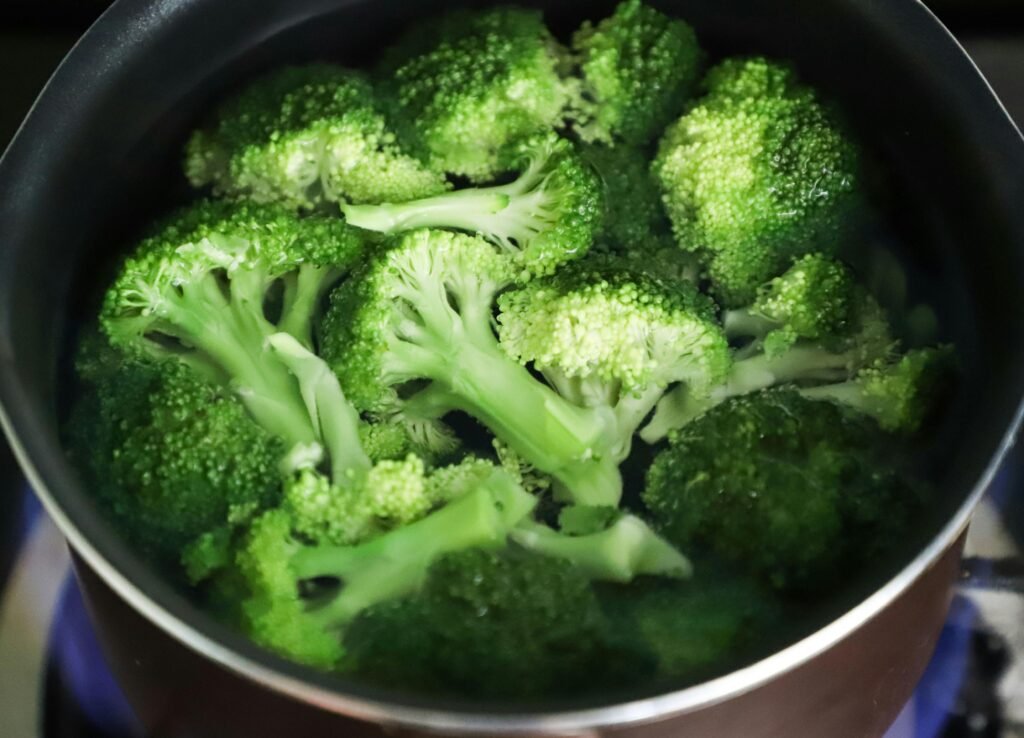
Broccoli florets are great for babies to hold and explore once they’re steamed until soft. The tops are nice and squishy, and the stalk gives your baby something to grip while they taste or mush the floret. Green veggies can be a tougher sell later, so it’s a good one to start early. If they’re not loving it plain, drizzle a tiny bit of olive oil or sprinkle of cheese. Don’t stress if it gets chewed, spat out, or thrown the first few times it’s all part of learning.
7. Small Pieces of Toast
Toast is a simple, flexible starter option that opens the door to so many toppings. Use whole grain bread, toast it lightly, and cut into strips or small squares. Serve it plain or topped with mashed avocado, banana, or unsweetened nut butter (thinly spread). It’s also great for dipping into soft foods like pureed soup, stewed fruit, or yogurt. Toast helps babies practice chewing soft solids and gives them a little new texture without too much risk. Just avoid using butter or jam early on.

8. Ripe Pear Slices
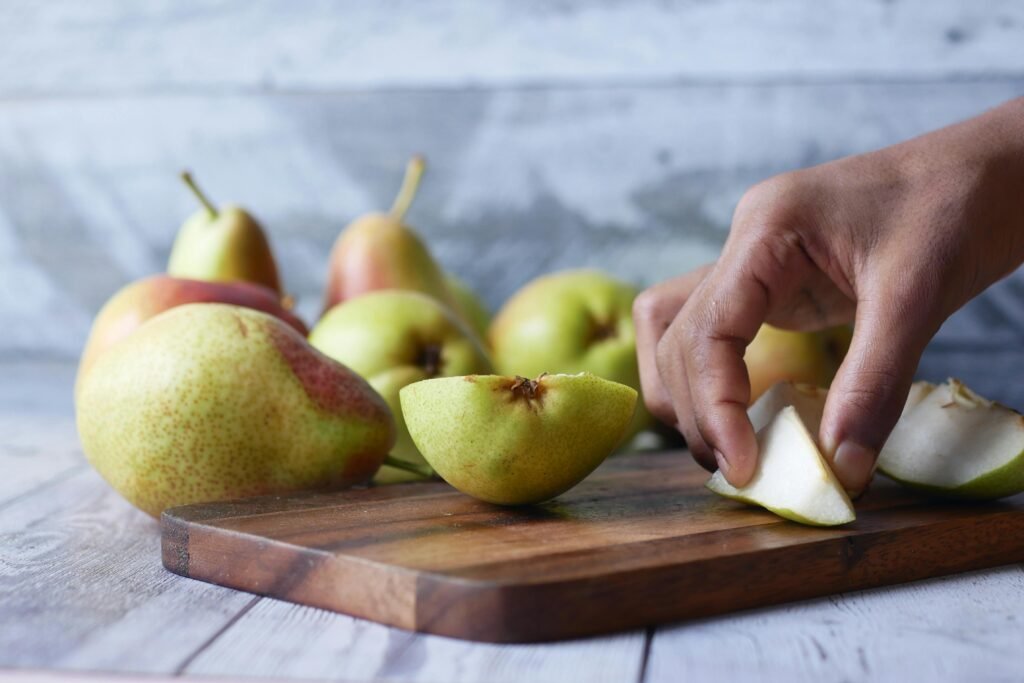
Ripe pears are incredibly soft when fully ripe and make a juicy, sweet option for early self-feeding. Cut them into thin slices or wedges that are easy for little hands to hold. If pears are a bit too firm, a quick steam softens them up without losing that fresh flavor. They’re gentle on the tummy and full of fiber, which helps keep digestion running smoothly. Serve chilled on a warm day or blend into oatmeal if your baby isn’t ready for full pieces yet. Simple, seasonal, and sweet.
9. Soft-Cooked Apple Slices
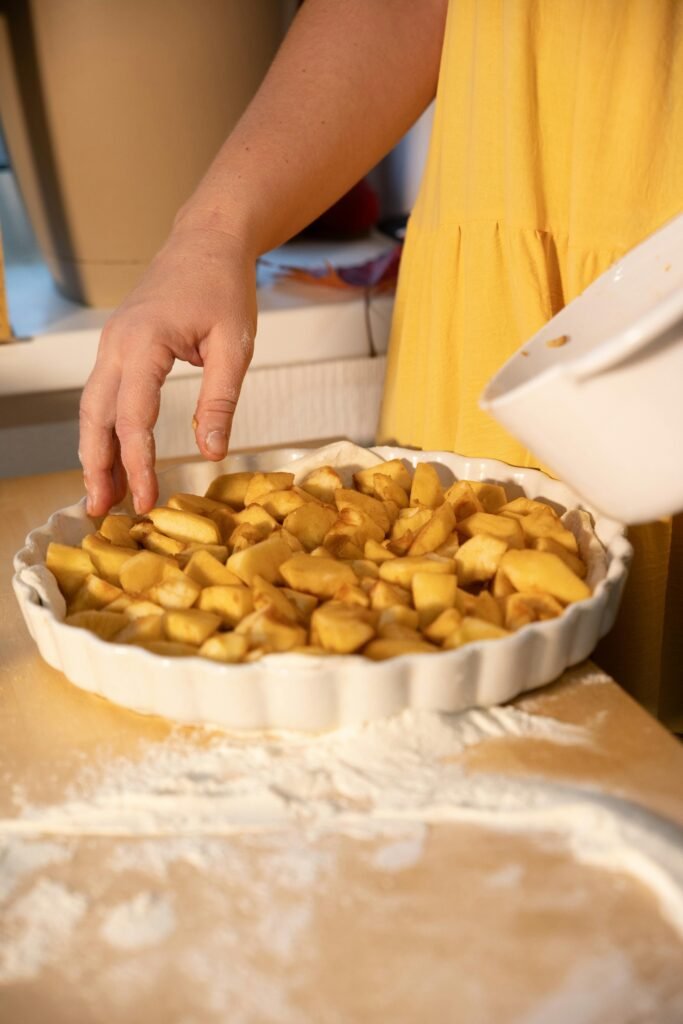
Apples need to be cooked for young babies, but once you steam or bake them, they turn into soft, yummy finger foods. Slice apples into thin wedges and cook until they’re soft enough to press with your fingers. You can leave them plain or add cinnamon for extra flavor. They taste great warm or cool, depending on your baby’s preference. Over time, you’ll be able to introduce raw apples, but this cooked version is a perfect first step for babies still learning how to manage texture.
10. Steamed Zucchini Sticks
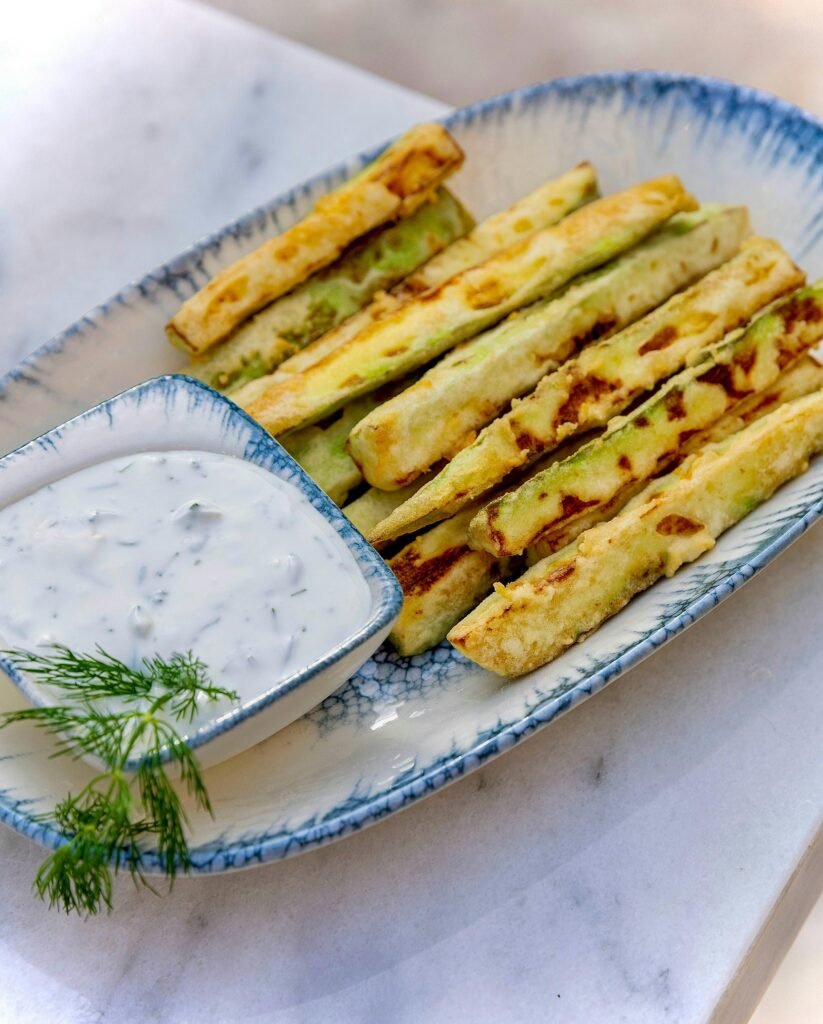
Zucchini might not be flashy, but when cut into thick sticks and steamed until soft, it’s a perfect early finger food. The mild taste and gentle texture make it beginner-friendly. Some babies love to squish it in their fingers just as much as they love to eat it and that’s okay. Try serving it warm or slightly chilled to see what your baby prefers. You can also coat it in breadcrumbs or crushed cereal for more grip if needed. It’s a great way to introduce veggies early on.
11.Small Pieces of Cheese
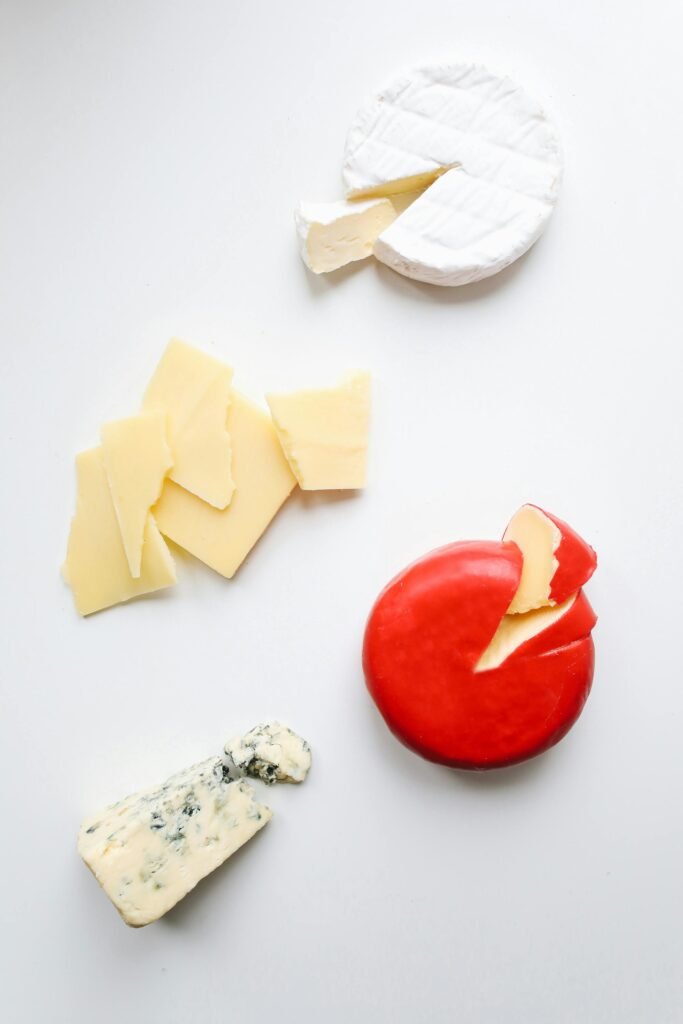
Soft cheeses like mozzarella or mild cheddar are easy, nutritious finger foods once your little one has been introduced to dairy. Cut into small cubes or thin slices that are gum-friendly. Cheese provides healthy fats and calcium, which are great for growing bones. Avoid hard, aged cheeses for now, and always go for pasteurized, low-sodium options. Cheese also makes a great topper for toast sticks or cooked veggies once your baby is ready for mixing foods. Keep servings small to avoid tummy overload in the early days.
12. Cooked Pasta (Like Penne or Rotini)
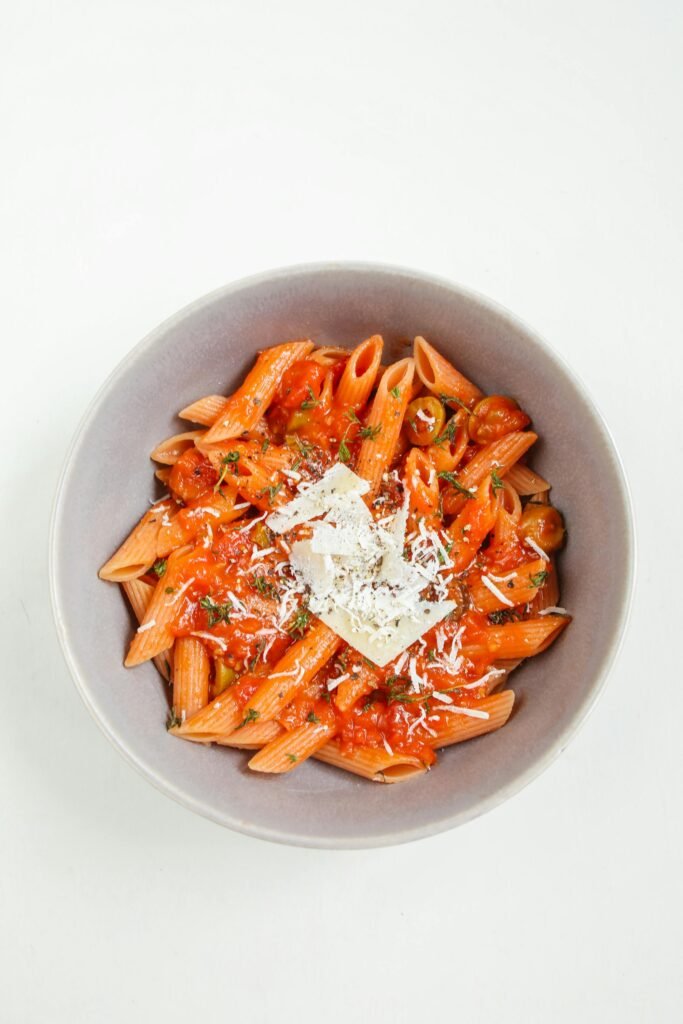
Cooked pasta is a beginner favorite soft, fun to grab, and easy to chew. Choose small shapes like penne, rotini, or shells, and cook until tender. Serve plain or toss in a tiny bit of olive oil, mashed veggies, or ricotta cheese for a creamy twist. Pasta is also great cold or warm, depending on your baby’s preference. It doubles as a quick lunch or dinner and stores well for leftovers. Who knew spaghetti night could make your baby feel like part of family meals so easily?
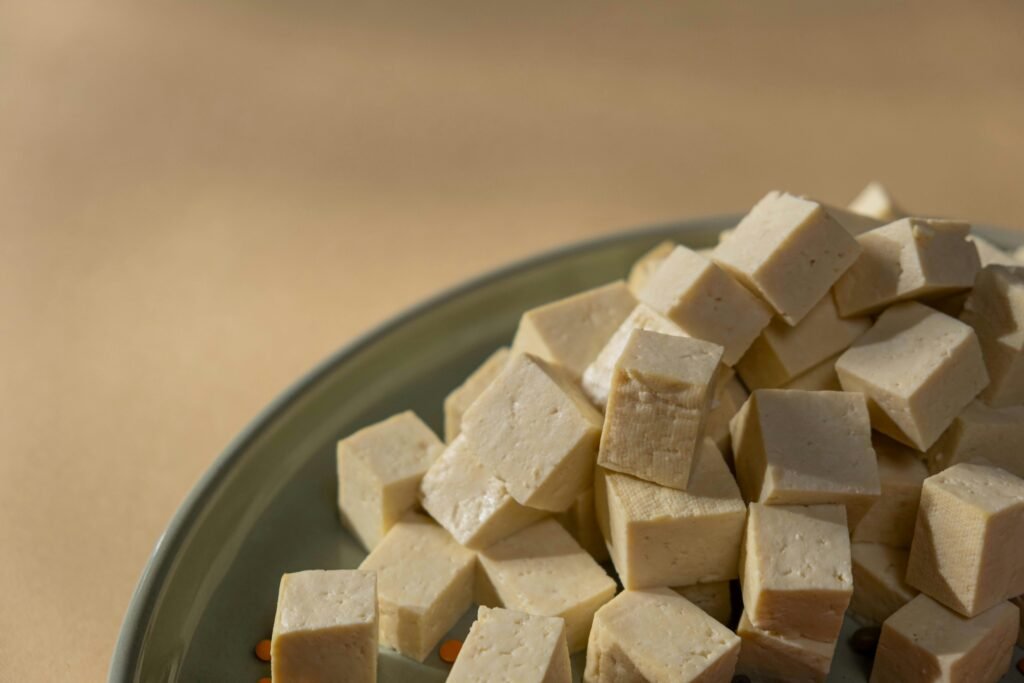
13. Soft Tofu Cubes
Tofu is one of those sneaky-superstar foods for babies. It’s soft, packed with protein and calcium, and basically a blank canvas for flavor. Just cut into small cubes for easy picking. You can serve it cold, heated, or lightly pan-seared for a little texture. Tofu soaks up sauce or seasoning well, so it’s easy to adapt once your baby starts eating a wider variety. It’s especially great for plant-based households or allergy-friendly diets, but even meat-eaters can benefit from its nutritional punch and easy prep.
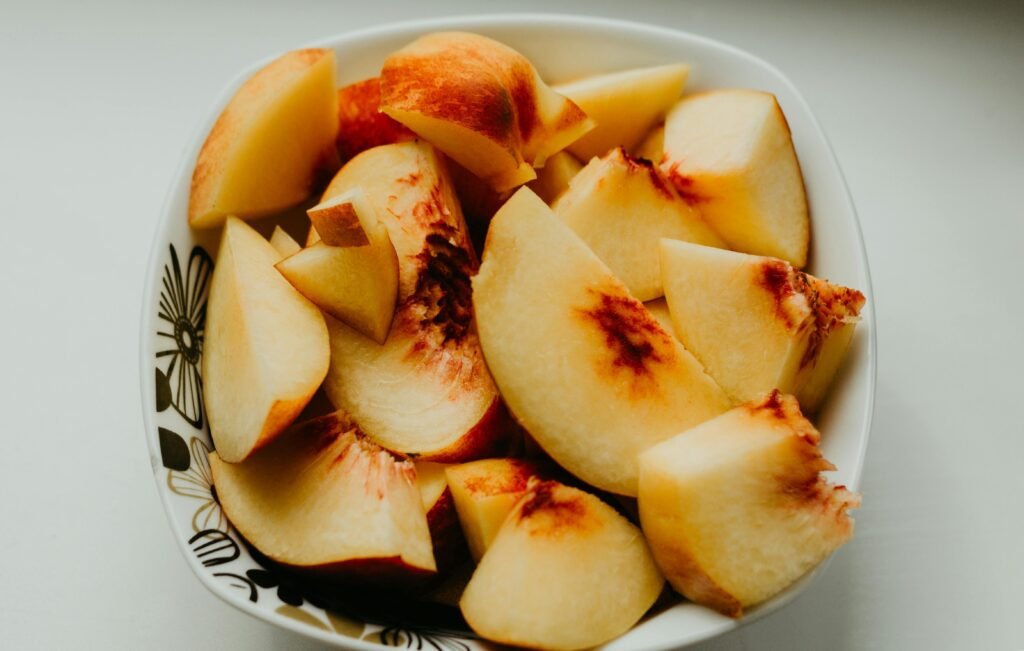
14. Ripe Peach or Nectarine Slices
When ripe, peaches and nectarines are soft, juicy, and sweet all the things babies typically love. Slice them thin or cut into small wedges with the skin removed. These stone fruits are rich in vitamin C and antioxidants, and they make a great summer snack. You can also mash them lightly into yogurt or oatmeal. Their softness makes them perfect for new eaters, but always test the texture first to avoid choking hazards. Expect lots of sticky hands and happy messes with this one.
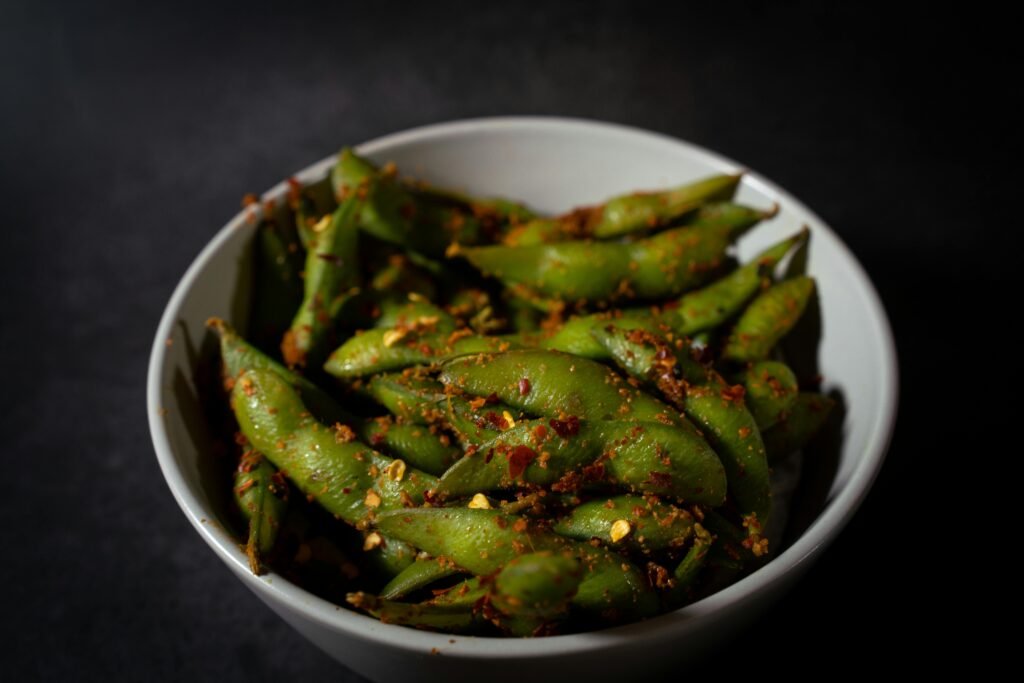
15. Cooked Green Beans
Green beans are an underrated finger food that’s easy to love when cooked right. Boil or steam until tender enough to squish between your fingers, then slice in half or leave full-length for baby-led feeding. They’re full of fiber and have a naturally pleasant taste that most babies accept without fuss. Green beans are also a great intro to green veggies before branching off into stronger flavors like spinach or kale. Serve plain or with a light drizzle of olive oil for a tasty bite-sized snack.
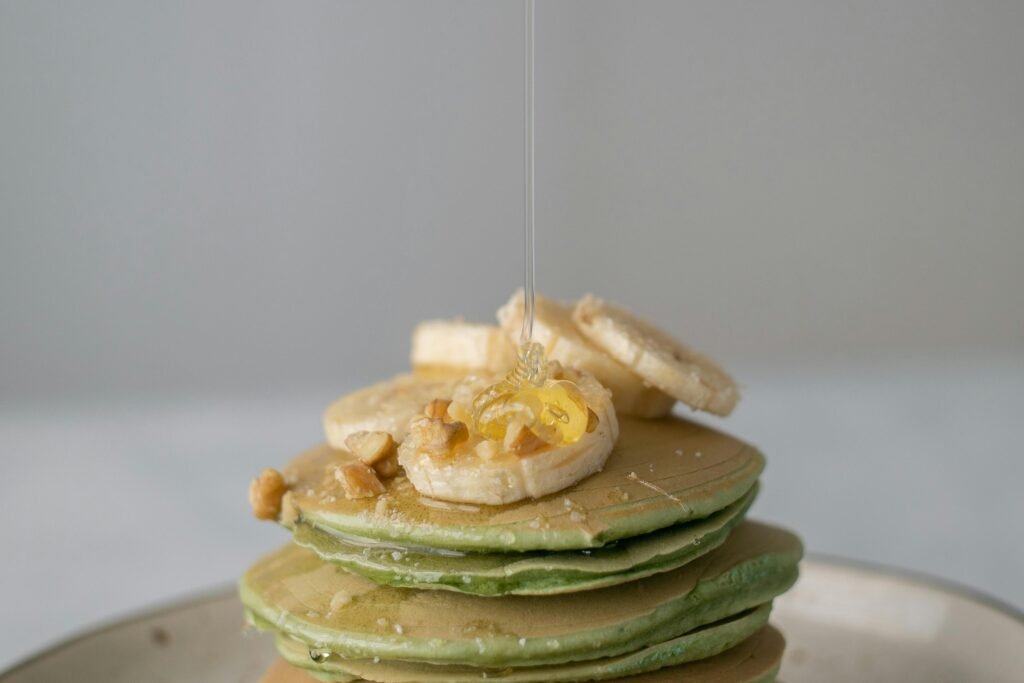
16. Soft Pancake Strips
Pancakes become baby-friendly when made simply with soft, wholesome ingredients. Cook them soft, cut into strips, and serve plain or topped with mashed fruit or thin nut butter. You can make them using banana and egg or oat-based recipes to keep things low in sugar and high in nutrients. Pancakes are great for breakfast, snacks, or even travel days. They’re fun to hold, soft to chew, and endlessly customizable. Also, baby-sized pancakes are ridiculously cute bonus points for that.
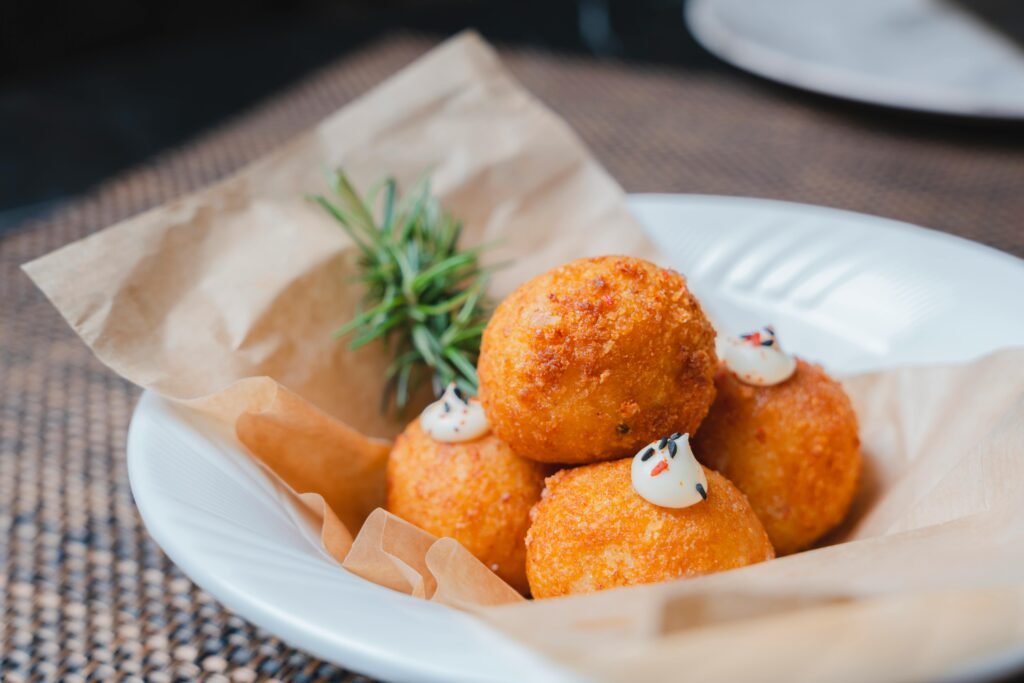
17. Mashed Potato Balls
Leftover mashed potatoes can be turned into mini finger food magic. Just roll cooled mash into small balls that baby can pick up easily. You can mix in soft veggies, cheese, or finely chopped herbs to add nutrition and flavor. Chill them slightly before serving to help them hold their shape. Potatoes offer a comforting texture that babies love, and molding them into little bite-sized pieces makes practicing self-feeding easier. They’re soft, fuss-free, and a surprisingly fun twist on a dinner classic.
18. Small Pieces of Ripe Mango
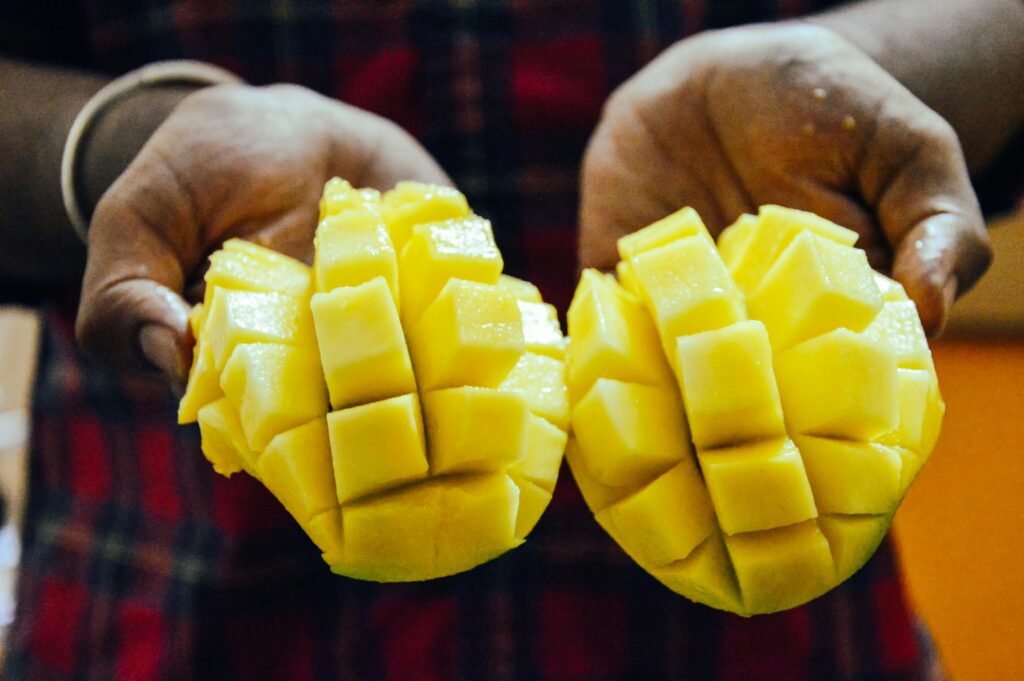
Mango is sweet, soft, and tropical basically everything babies love. Cut into tiny cubes or long, thin strips they can hold. You can chill it for teething relief or serve at room temp for a more tender bite. Mango is full of vitamin C and beta-carotene, and it blends perfectly into yogurt, oatmeal, or smoothies when blended. It’s slippery, so roll it in ground oats or cereal if your baby has trouble holding it. Sticky hands are guaranteed but the smiles are worth it.