11 Best And Worst Pets For Kids

Choosing a pet for your child can be exciting, but not every pet is the right match for every family. Some animals are easy to care for and love being around kids, while others need more time, space, or attention.
In this guide, you’ll learn about the best and worst pets for kids. We’ll look at which pets are friendly, safe, and easy to care for and which ones might be too much work for young children. This will help you choose the perfect furry (or scaly!) friend for your family.
Best Pets for Kids
1. Rabbits
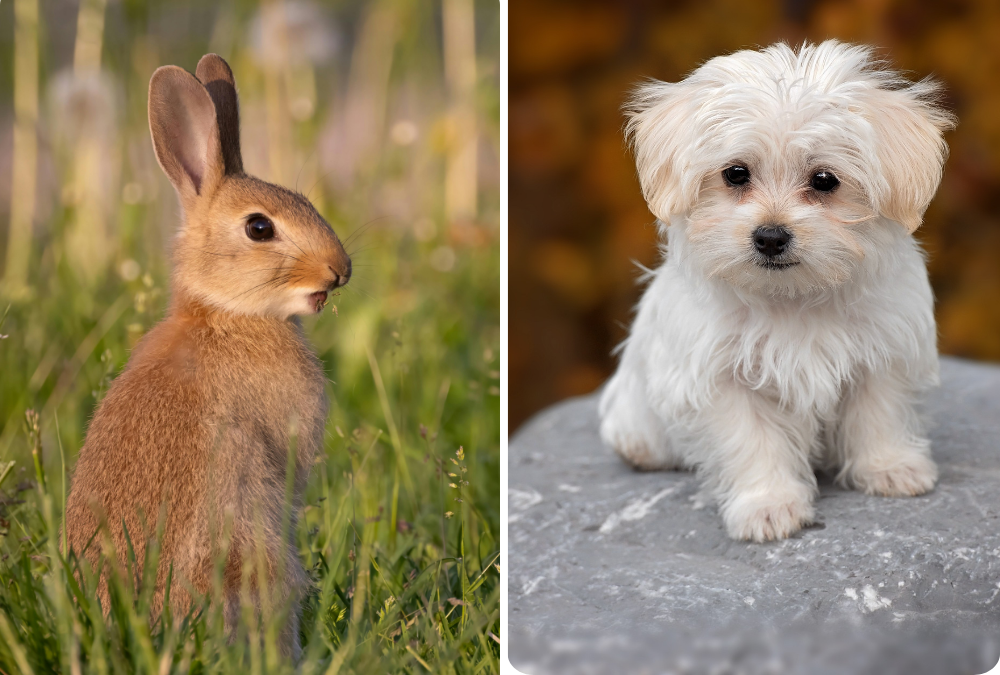
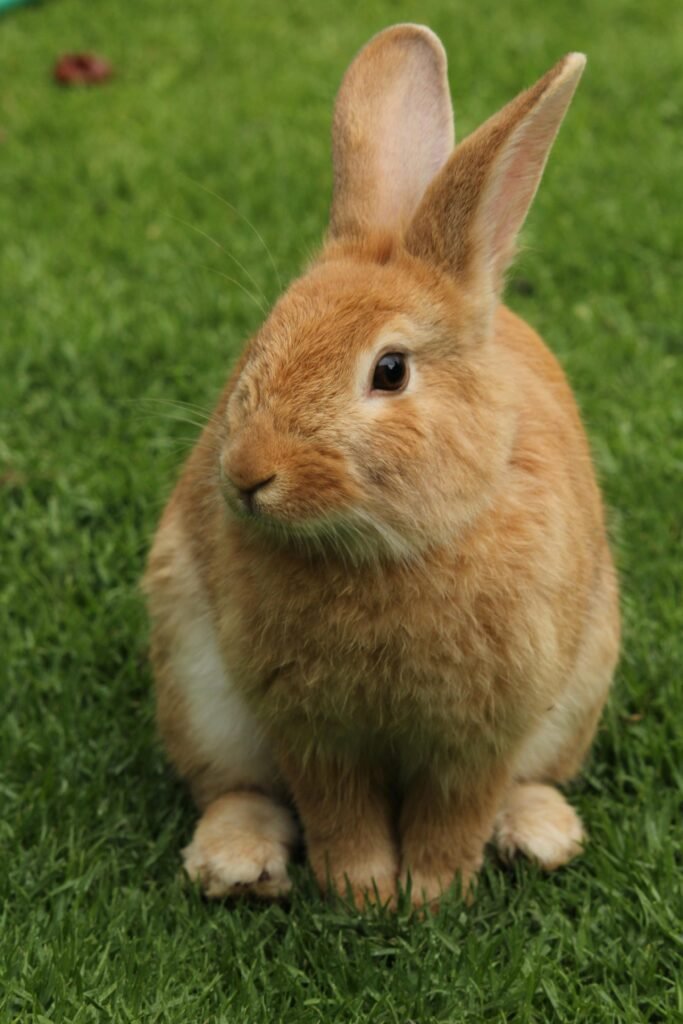
Rabbits are sweet and quiet pets that can bond deeply with kids when handled gently and consistently. Some bunnies love to sit on laps or hop around during playtime. They need a large enclosure, lots of space to hop, and a diet of hay, fresh veggies, and rabbit pellets. Rabbits can be litter-trained and have huge personalities. They’re better for slightly older kids who can respect their boundaries and care routines. Just keep in mind, they’re not fans of loud noises or rough handling, so a calm environment works best.
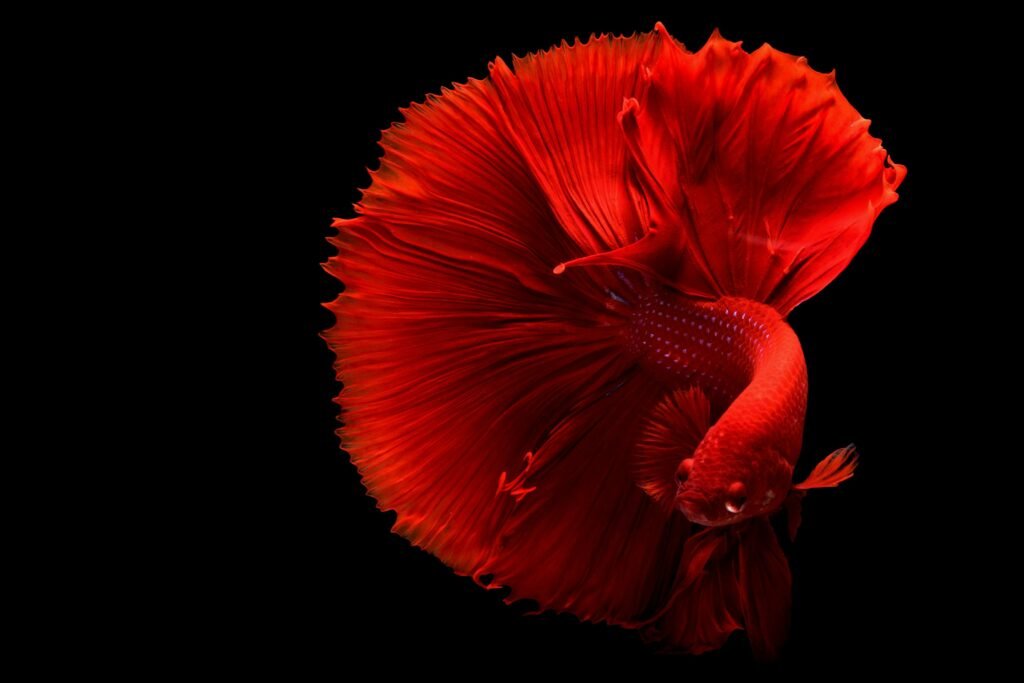
2. Betta Fish
Betta fish are colorful, calming to watch, and relatively easy to care for with the right setup. They don’t need a big tank, but it’s important to use clean, filtered water and avoid overfeeding. Unlike goldfish, bettas enjoy warmer water and should live solo no tankmates needed. Watching them swim and flare their tails can be pretty mesmerizing for younger kids. It’s a great beginner pet for learning routines without too much pressure. Just make sure mom or dad handles the actual cleaning until older kids can help.
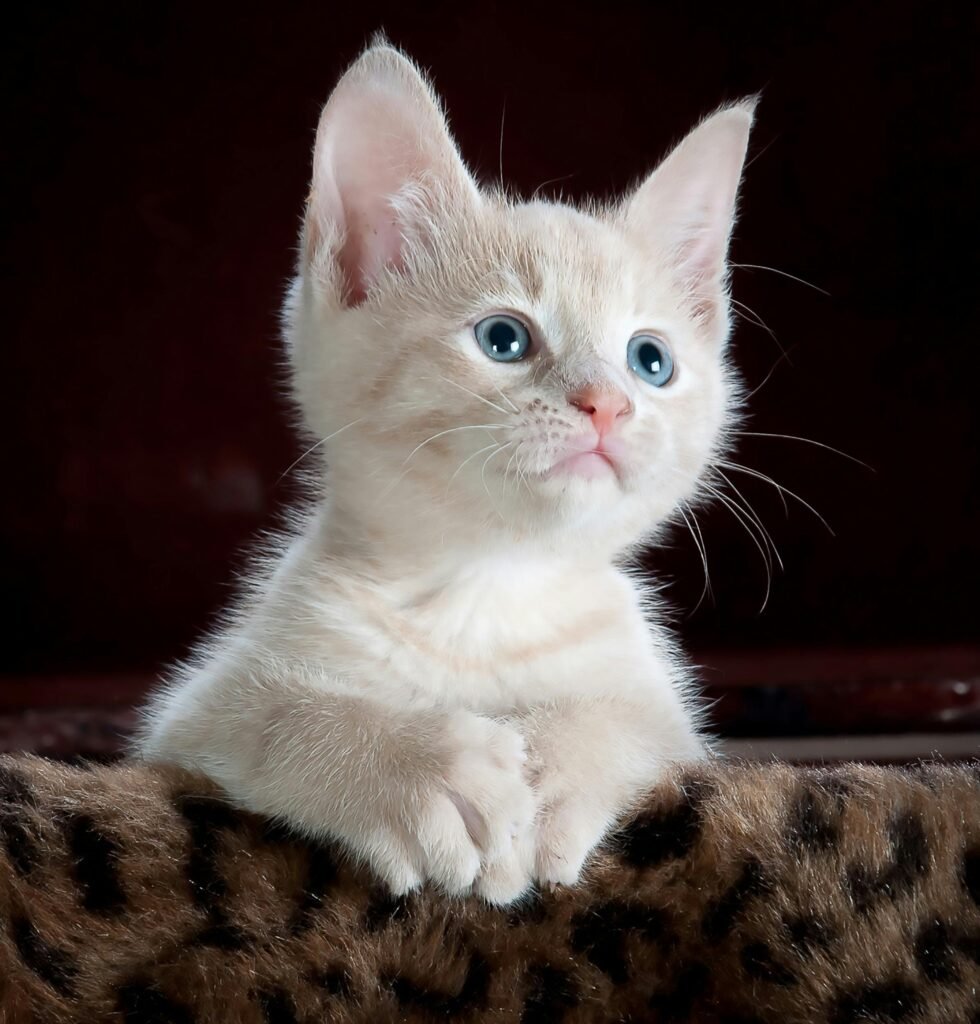
3. Cats
Cats are super independent and low-maintenance, but they still offer tons of companionship. Some love to cuddle, some prefer to chill nearby but either way, they’re great with kids who learn to be gentle and respectful. Cats don’t need constant attention, and they use a litter box instead of going for walks. Plus, they’re excellent at entertaining themselves which is a bonus for busy families. Just be sure you find the right temperament. Some breeds handle kids better than others, and adopting an adult cat can often be more predictable than raising a kitten.
4. Dogs (Kid-Friendly Breeds)
Dogs and kids go together like peanut butter and jelly if you pick the right breed. Golden Retrievers, Labradors, Beagles, and Cavalier King Charles Spaniels are just a few of the many family-friendly dogs known for their patience and playfulness. Dogs teach empathy, responsibility, and can become lifelong buddies for your child. Just remember, puppies are a ton of work. Consider adopting a calmer adult dog if you have young kids and less time to dedicate to training. The right dog can be the heart of your home for years.

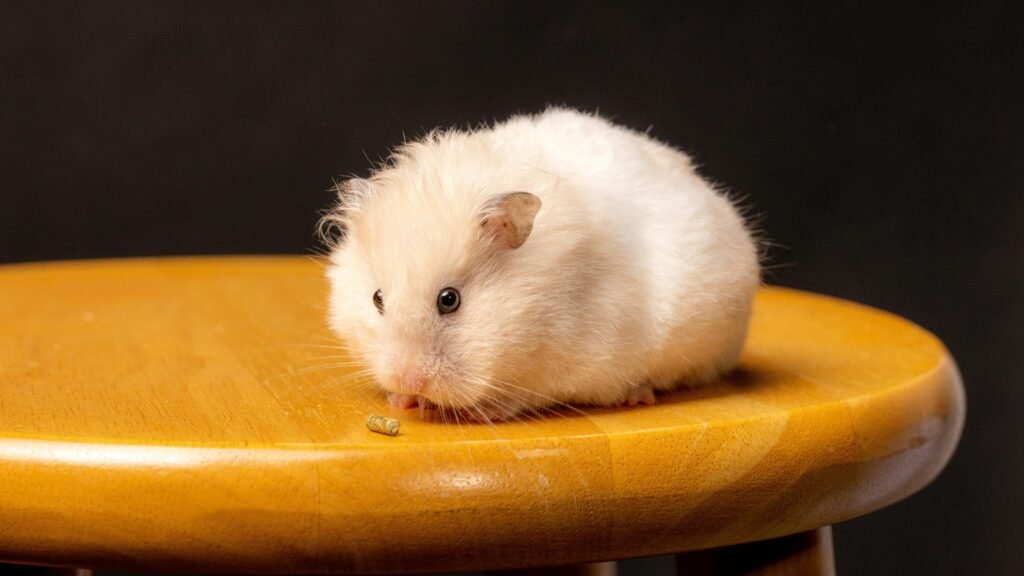
5. Hamsters
Hamsters are cute, tiny, and fairly easy to care for, which makes them appealing for kids. They live in cages, don’t take up much space, and can become friendly with gentle daily handling. That said, they’re nocturnal so they sleep during the day and run in wheels at night. Best suited for slightly older or calm children, hamsters help teach routine and responsibility in small doses. Plus, setting up their cage with tunnels and toys is half the fun. Just watch those little fingers they’re not fans of being startled.
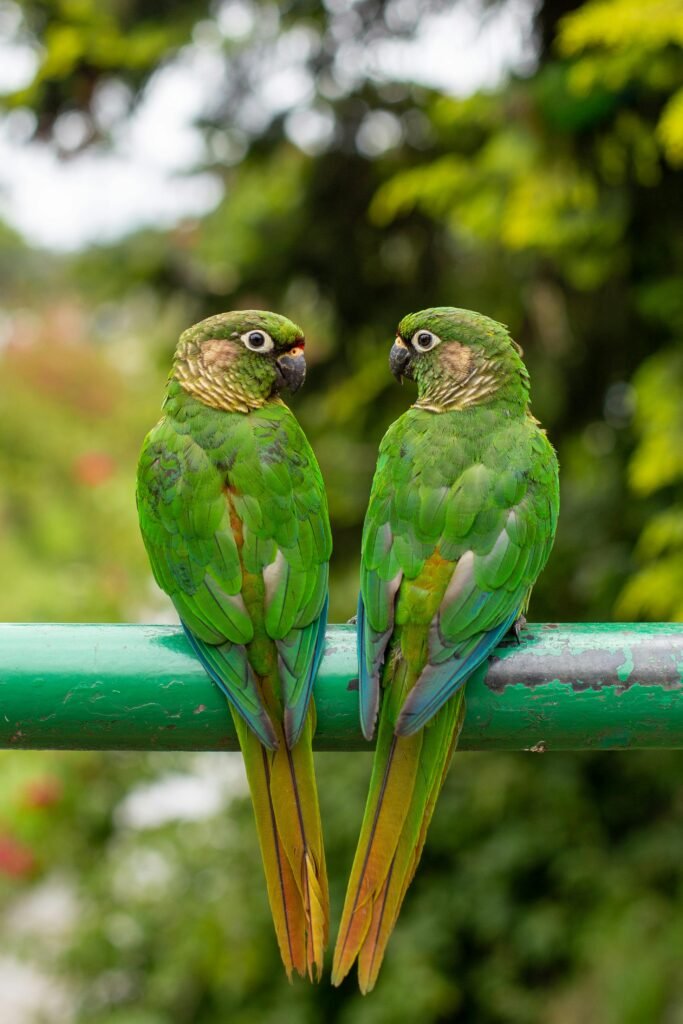
6. Parakeets
Parakeets are fun, social little birds that can be trained to sit on fingers or even mimic words. They’re colorful, chirpy (but not too loud), and great for kids who like interactive pets. With daily handling, parakeets become affectionate and entertaining. They do best with a buddy, so consider adopting a pair. Their cage needs regular cleaning, and they love to come out and explore safely. Parakeets aren’t totally low-maintenance, but they’re a playful option for responsible kids interested in birds.
Worst Pets for Kids
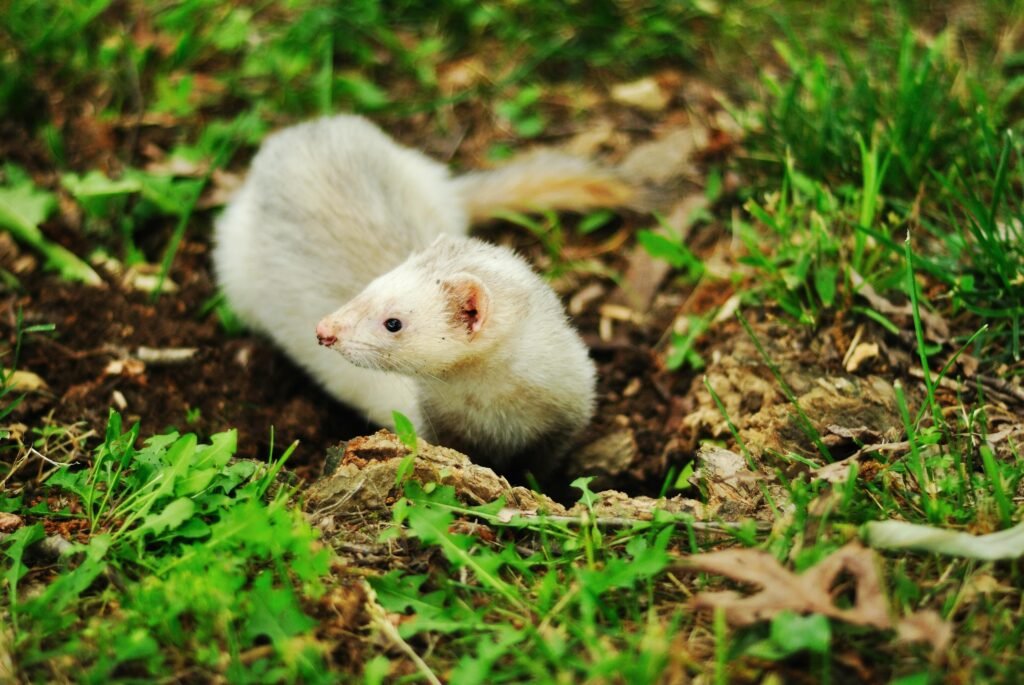
1. Ferrets (Can Be Nippy and High-Maintenance)
Ferrets are curious and cute, but they’re also high-energy and high-maintenance. They need tons of space, regular playtime, and careful supervision. They’re not great for small kids because they can nip when startled or overstimulated. Their habitats must be cleaned often, and they tend to get into everything when they’re out. Ferrets can also be smelly, even when bathed. They’re fascinating animals but not ideal for young kids or first-time pet families. Save this one for the older tween who’s ready for next-level responsibility.
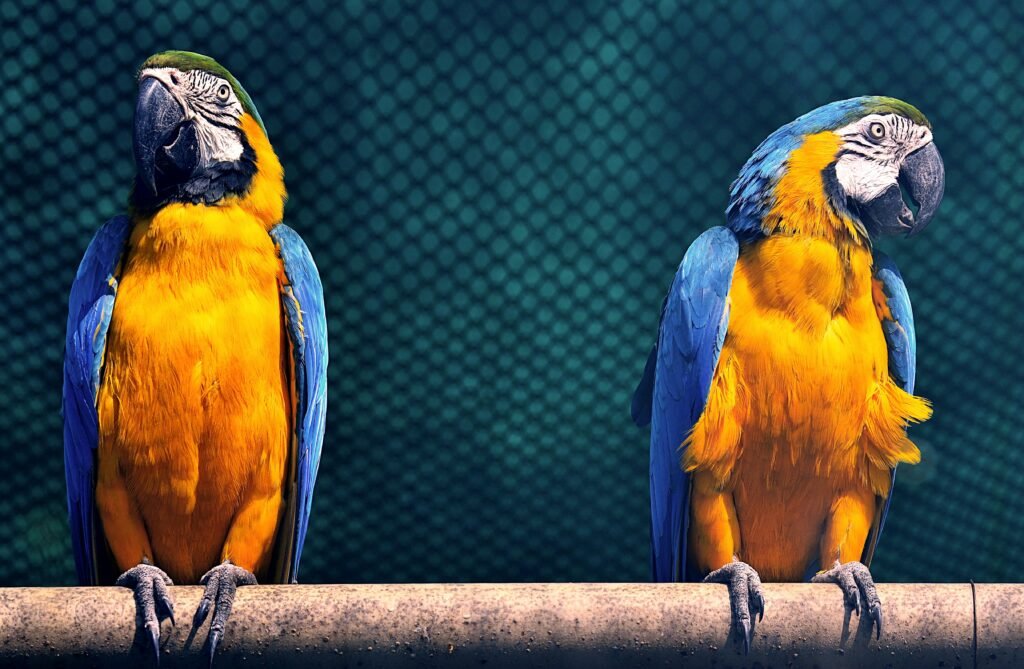
2. Large Birds (Loud, Demanding, and Strong Beaks)
Parrots and cockatoos are beautiful but not beginner-friendly. These birds are smart, loud, live forever, and need constant social interaction or they can become aggressive, anxious, or destructive. Their beaks are strong enough to hurt, and many don’t love being handled by small or unpredictable hands. Large birds also require big cages, special diets, and tons of space to fly and climb. They’re just not the pet to hand over to a five-year-old. Stick with smaller birds if your child really has their heart set on feathers.
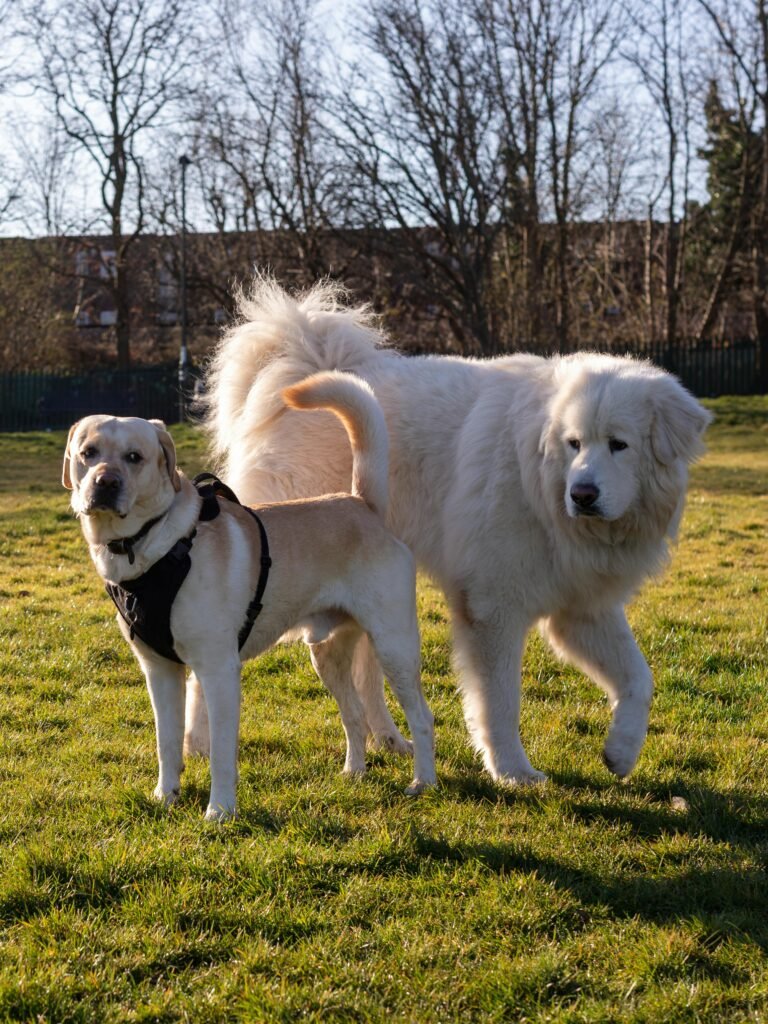
3. Large Dog Breeds (Too Strong for Small Kids)
Big dogs can be wonderful, loyal companions, but they’re often too strong or energetic for young kids. Even friendly breeds can knock a toddler over just by being playful. Large dogs also need lots of exercise, training, and stimulation which adds up quickly if you’ve already got your hands full. Without proper training and supervision, size alone can become a safety issue. If your child is still very young, it’s usually better to wait or opt for a calm, medium-sized breed that matches your energy and space.
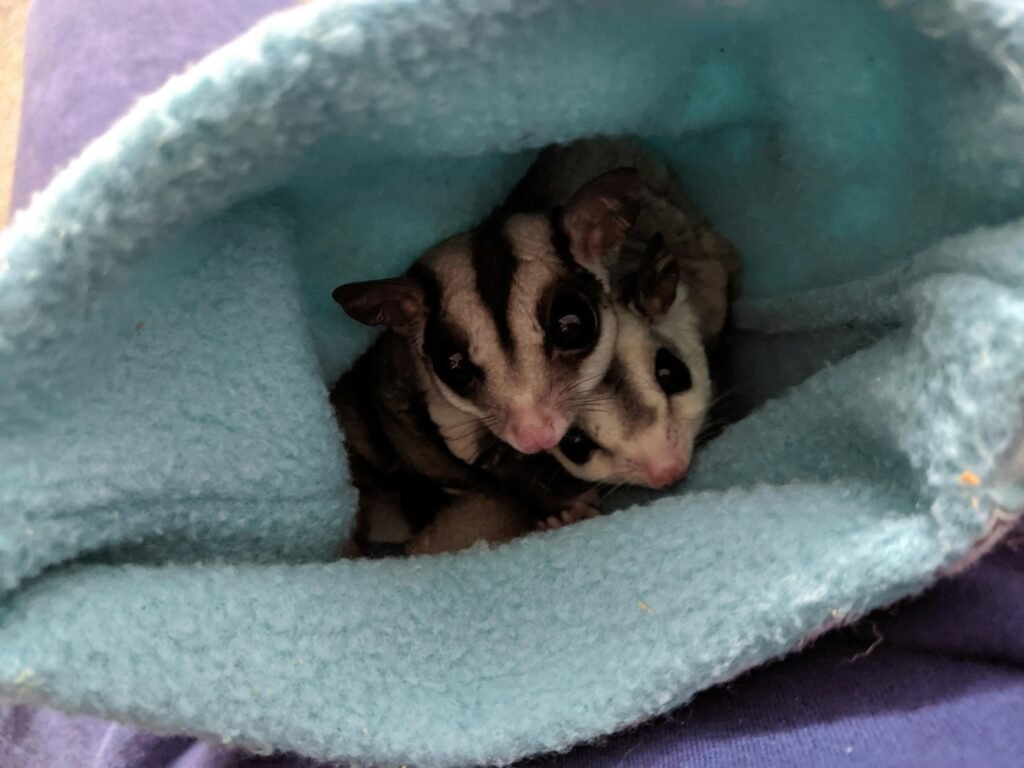
4. Sugar Gliders (Nocturnal and Difficult to Bond With)
Sugar gliders are adorable, but don’t let their cute faces fool you. They’re nocturnal, incredibly social (need to live in pairs or more), and not easy to bond with. They also have a habit of biting if they feel threatened. These animals need a large vertical enclosure and lots of attention. Their care is tricky definitely not a beginner-level responsibility. Unless your family is fully committed and knows what to expect, sugar gliders are better left to specialty owners who have time and know-how.
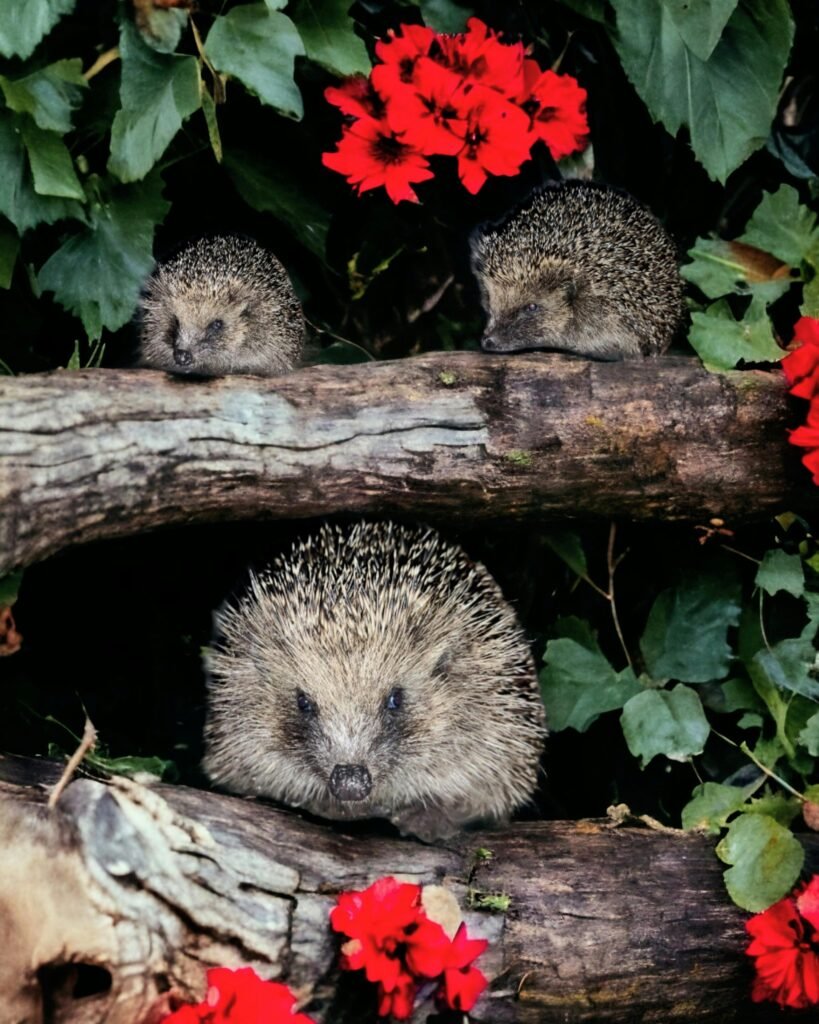
5. Hedgehogs (Shy and Can Be Hard to Handle)
Hedgehogs are undeniably cute, but not always a match for kids. They’re shy, often curl up into a spiky ball when scared, and can be hard to handle without getting poked. They’re also nocturnal and generally prefer low interaction. While some warm up to their humans, it takes time, patience, and a lot of gentle handling. They can be fun to watch but don’t offer much in the way of cuddly companionship. For families looking for an interactive pet, this one might underwhelm.