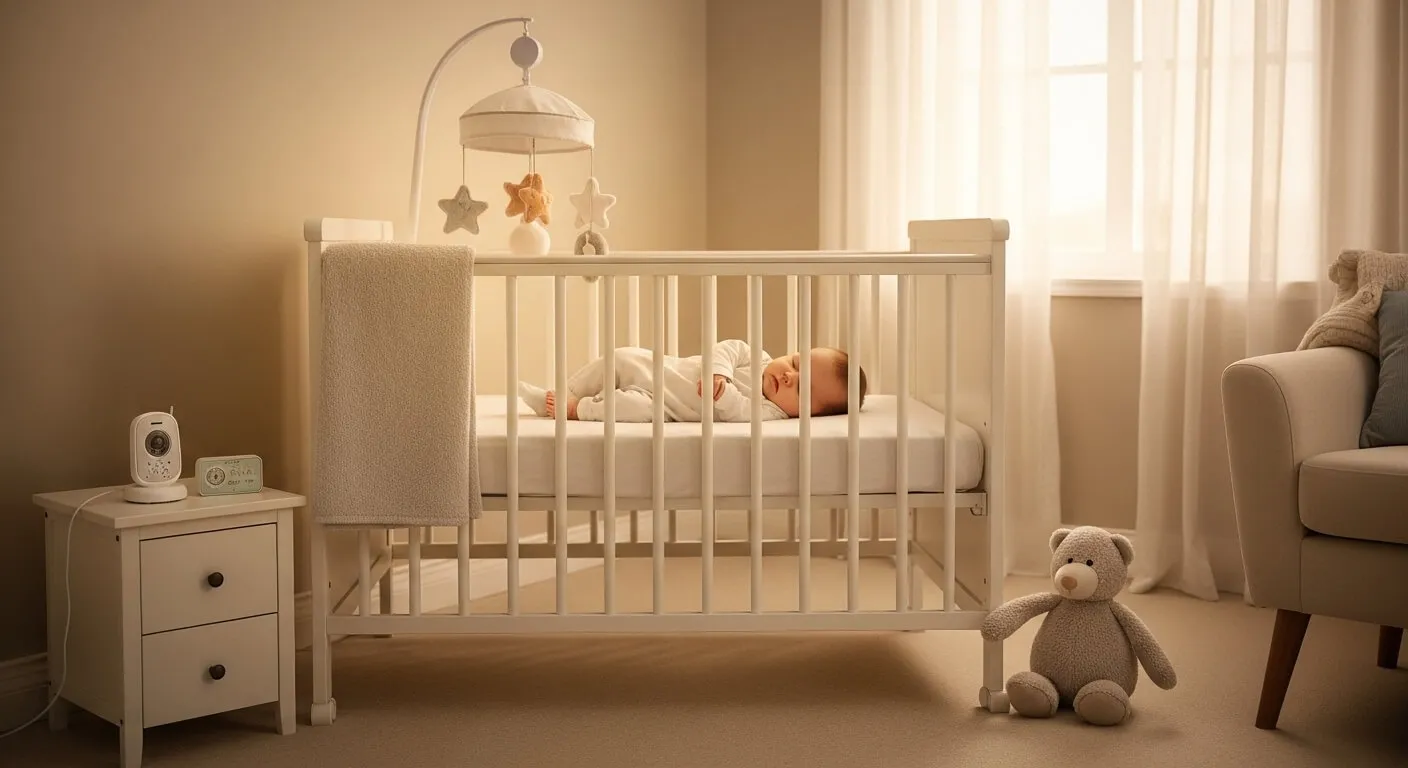
Can Poor Sleep In Infancy Lead To Obesity?

You might already know that babies need lots of sleep to grow strong and healthy. But did you know that poor sleep in early life could also affect their future weight? Studies show that babies who don’t sleep well may be more likely to gain extra weight as they grow older.
As parents, we usually focus on feeding and playtime, but sleep is just as important. Good sleep helps a baby’s body and brain develop properly. It also keeps hormones in balance, supports digestion, and helps control appetite. Let’s explore how poor sleep during infancy can lead to weight problems later and what parents can do to help.
Understanding Baby Sleep and Growth
Sleep is when a baby’s body does most of its growing and repairing. During deep sleep, growth hormones are released, muscles and tissues develop, and the immune system becomes stronger. Most infants need around 12 to 16 hours of sleep every day.
But it’s not only about how long they sleep. The quality of their sleep matters too. If babies wake up often or don’t get enough deep sleep, it can affect two key hormones: leptin and ghrelin. Leptin tells the brain when the body is full, while ghrelin makes us feel hungry. When sleep is poor, ghrelin goes up, and leptin goes down causing babies to feel hungrier and eat more often.
How Poor Sleep Affects the Body
When babies don’t sleep well, it can change how their bodies use energy. Poor sleep can slow down metabolism, meaning the body burns fewer calories and stores more fat. It can also raise stress hormones like cortisol, which can lead to more fat around the belly.
Researchers have found that infants who sleep less than 12 hours a day may have higher body fat by the time they are preschoolers. The body starts to act like it’s under constant stress, even when the baby isn’t. This stress can lead to changes that affect weight later in life.
The Connection Between Feeding and Sleep
Sleep and feeding go hand in hand. Babies who don’t sleep well often wake up several times at night and want to feed, even when they aren’t really hungry. Night feeding is normal for newborns, but if it continues too long, it can confuse the body’s hunger signals.
Here’s what often happens:
- Babies who sleep less feed more frequently.
- Too much night feeding can disturb digestion.
- Irregular sleeping patterns can confuse the body’s natural rhythm.
This doesn’t mean parents should stop nighttime feeds early, but it helps to create a steady pattern as the baby grows. Learning when your baby is hungry and when they just need comfort can make a big difference.
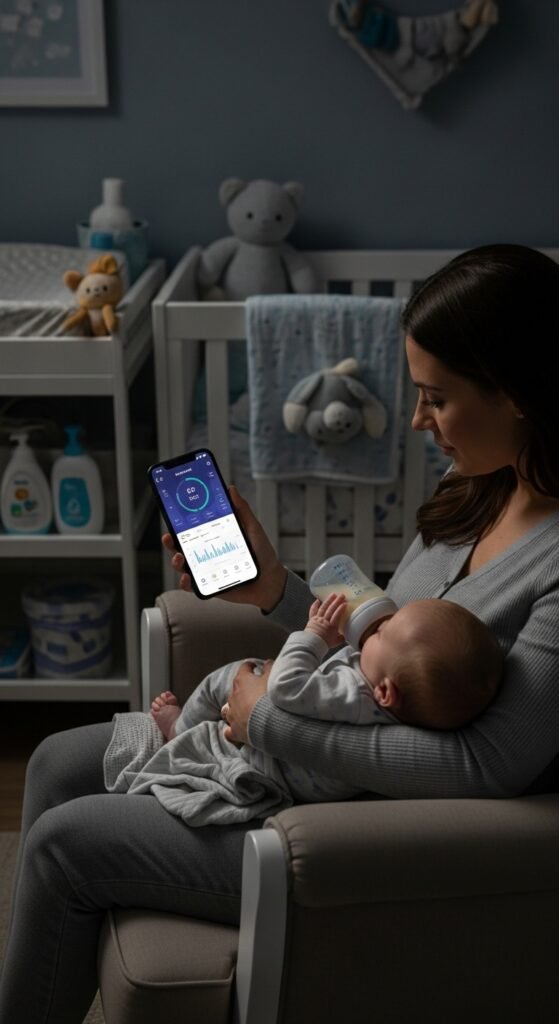
Environmental and Lifestyle Factors
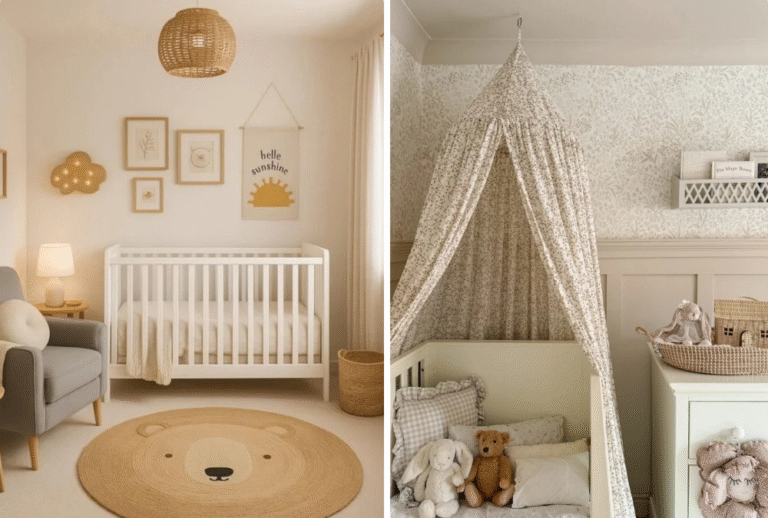
Sometimes, the reason babies don’t sleep well isn’t because of hunger, it’s because of their surroundings. Small changes in the baby’s environment can help them rest better.
Here are some things to consider:
- Keep the room dark and quiet during bedtime.
- Avoid screens near the baby; bright light can make it harder for them to sleep.
- Make sure the room isn’t too warm or too cold. A comfortable temperature helps babies sleep longer.
- Try to follow a consistent bedtime routine like giving a warm bath, singing a lullaby, or dimming the lights before bed.
A calm and predictable bedtime routine helps babies learn that it’s time to rest, not play.
What Research Tells Us
Many studies have found a strong link between poor sleep in infancy and a higher risk of obesity later. One well-known study published in Pediatrics found that babies who slept fewer than 12 hours a day were twice as likely to be overweight by age three.
Another study in the American Journal of Human Biology found that babies with irregular sleep schedules were more likely to have higher body fat and larger waist sizes as they grew older. Scientists believe this happens because lack of sleep affects the body’s “clock,” which controls metabolism and energy use.
Read More: 13 Tips To Help Your Baby Sleep In Any Hotel Room
These studies don’t mean that every baby who sleeps poorly will become overweight, but they do show that healthy sleep can protect against future health problems.
Tips for Helping Babies Sleep Better
If your baby struggles with sleep, there are simple ways to help them rest longer and better.
- Set a regular sleep schedule, even during naps.
- Create a calm sleep environment with dim light and gentle sounds.
- Avoid too much play or excitement right before bed.
- Try to let your baby fall asleep on their own once in a while, it helps them learn to self-soothe.
- Avoid keeping bright screens or loud noises in the room.
- Watch for sleepy signs like yawning, rubbing eyes, or fussiness, and put the baby to bed right away.
If sleep problems continue for several months or your baby seems overly tired or fussy, it’s a good idea to talk to a pediatrician or a sleep specialist. They can check for any underlying issues and guide you on safe, effective sleep habits.
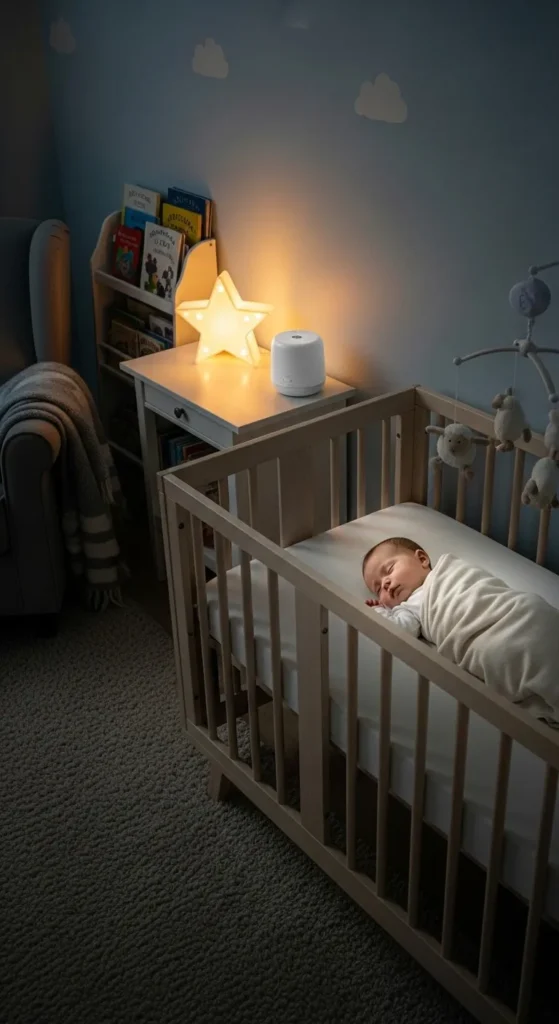
Why Good Sleep Matters in the Long Run
Helping your baby get enough sleep isn’t just about avoiding cranky mornings. It also builds a healthy foundation for life. Babies who sleep well tend to:
- Have better moods and emotional control.
- Get sick less often because their immune systems are stronger.
- Learn and remember things more easily.
- Grow with a balanced metabolism and healthier body weight.
- Help the whole family rest better and feel less stressed.
Sleep is a natural part of growth, just like eating or playing. When it’s consistent and good quality, it supports every area of development.
The Takeaway
Poor sleep in infancy doesn’t just cause tired parents, it can have lasting effects on a child’s body and weight. Babies who don’t get enough sleep may develop hormonal imbalances that make them hungrier and more likely to gain excess weight later on.
The good news is that healthy sleep habits can be taught early. With a peaceful environment, steady routines, and gentle care, your baby can get the rest they need to grow strong and healthy.
So tonight, turn down the lights, keep things quiet, and let your baby drift off peacefully. A well-rested baby isn’t just happier, they may also be healthier for life.
Read More: 15 Calcium-Rich Foods For Babies And Toddlers, 200 Botanical Baby Names For Boys And Girls